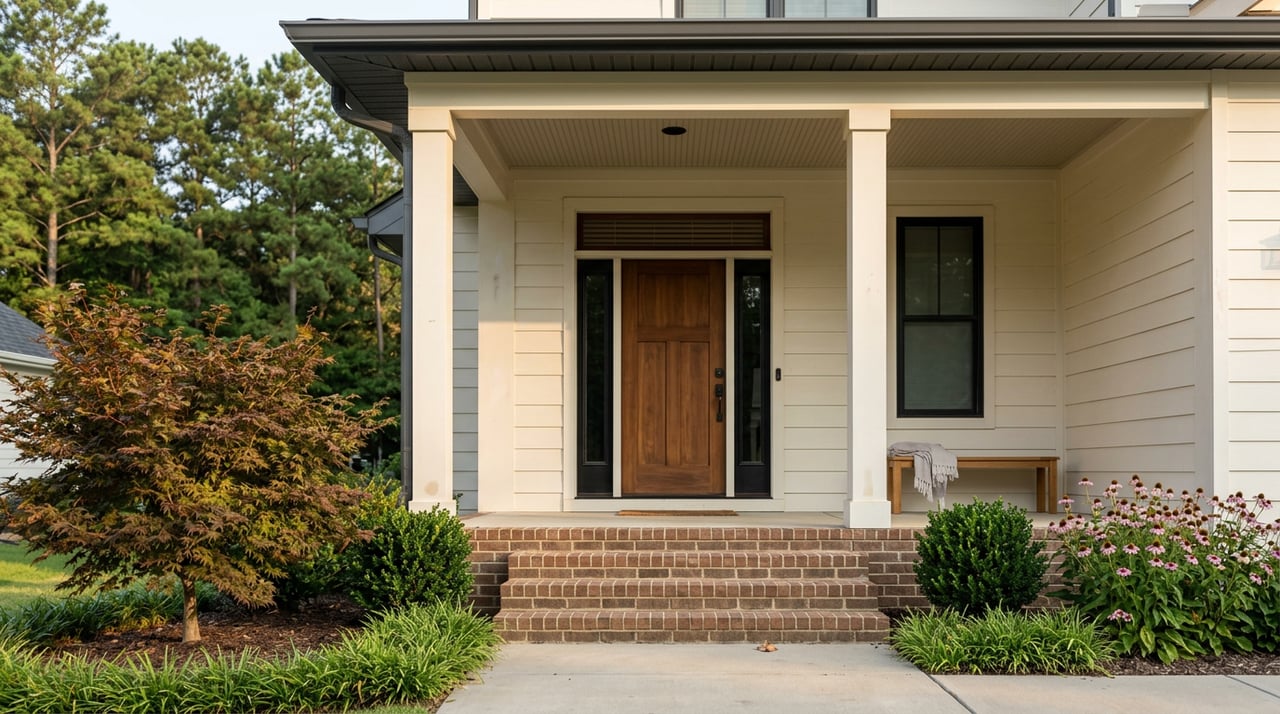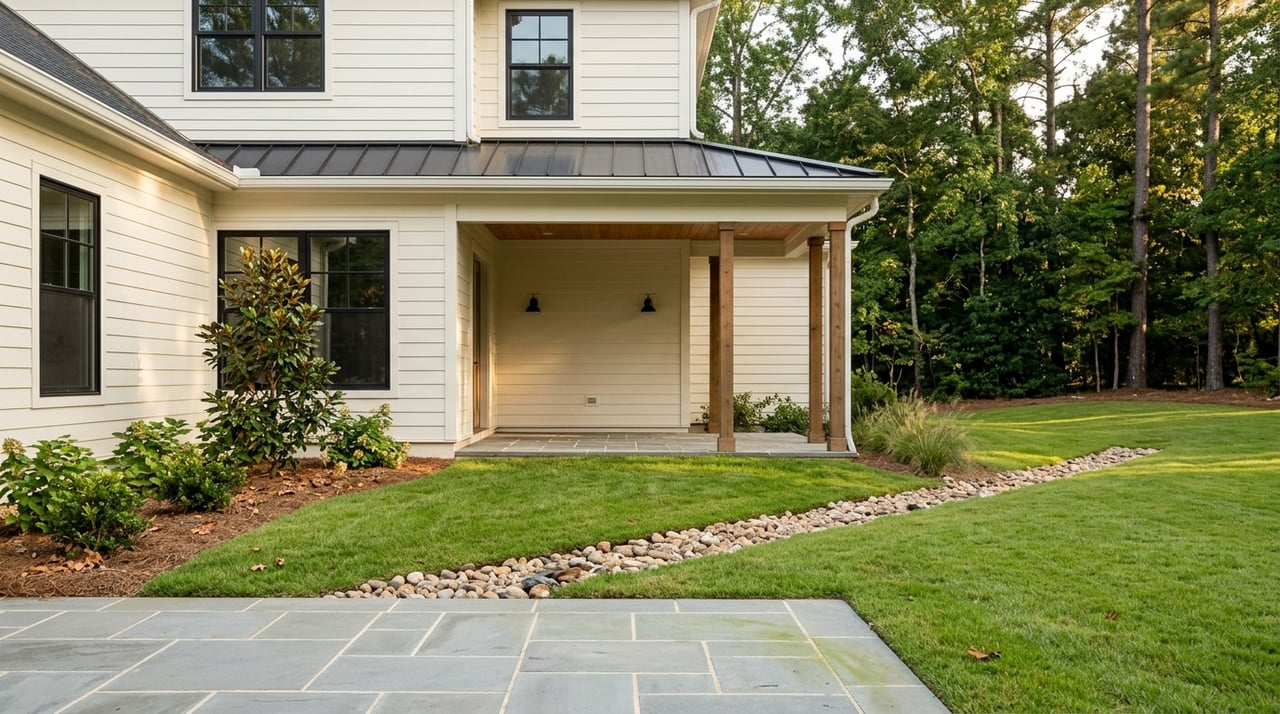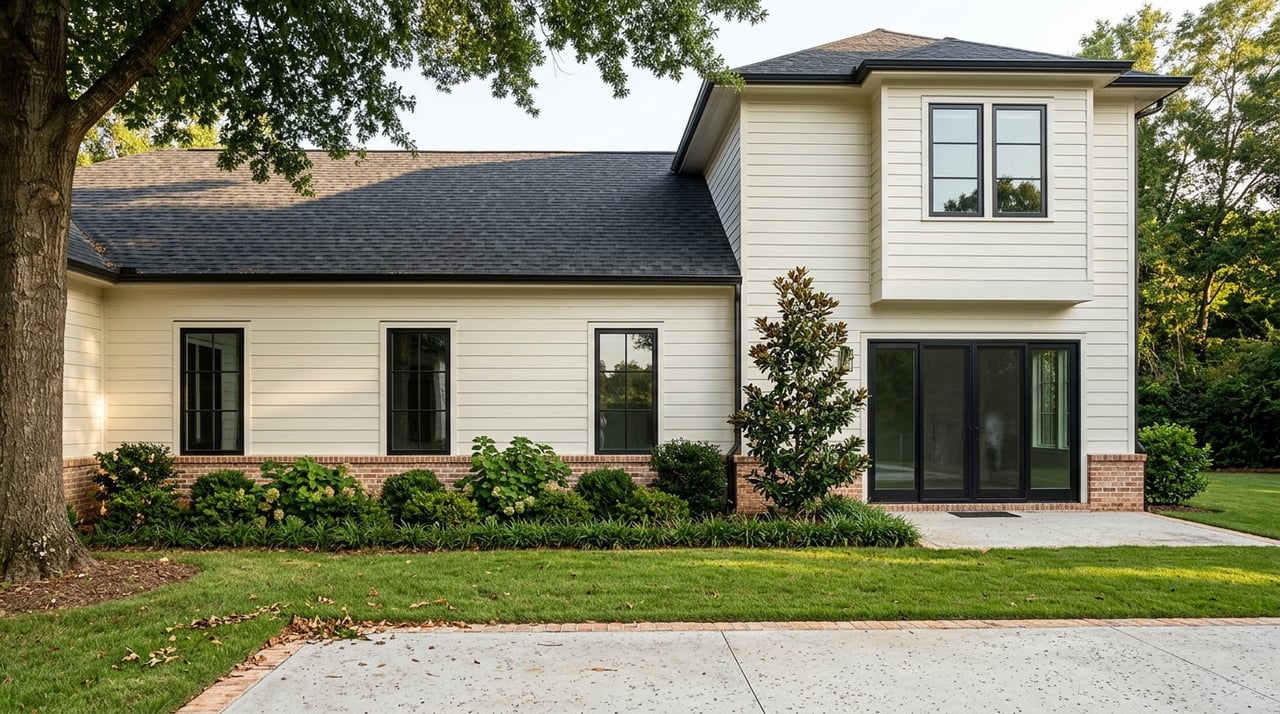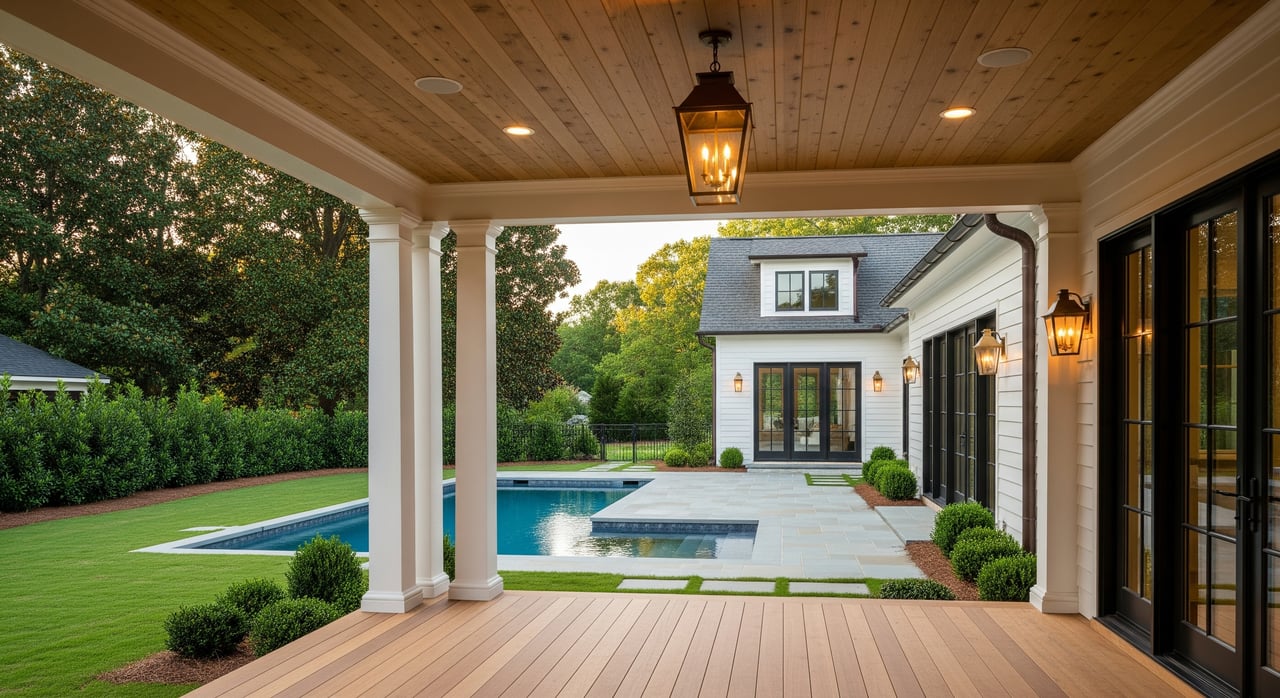
Thinking about a new back porch, a summer‑ready pool, or a home addition in Knightdale? The permit steps can feel confusing, especially when you submit in the Wake County system but work with Town staff on reviews and inspections. You want a clear plan that keeps your project moving and protects your resale value. This guide breaks down permits, inspections, key code rules, and common pitfalls for porches, pools, and additions in Knightdale. Let’s dive in.
How permitting works in Knightdale
You will apply for building and trade permits through the Wake County Permit Portal, but the Town of Knightdale reviews, invoices, and issues the permits. The Town is also your go‑to for zoning and setback questions. See the Town’s overview on the building permits page.
Building and trade inspections are performed by Wake County on Knightdale’s behalf, while the Town handles zoning and Certificate of Occupancy checks. Next‑business‑day inspections are available if you meet the daily cut‑off. For current scheduling rules, visit the Town inspections page.
If your project needs new water or sewer service, connections run through Raleigh Water. Some applications may require an approved building permit first.
Porches and decks: permits and plans
Most new porches and decks need a building permit. Wake County also requires permits for many major repairs or structural changes. Small repairs like replacing pickets, treads, or decking can be exempt, and there are dollar thresholds for when you must use a licensed contractor. Check the County’s guide to build a deck or porch.
Your submittal usually includes a scaled site plan plus deck or porch construction plans. Reviewers look for dimensions, framing layout, footings, connection details, guardrail and stair details, and bracing. Two‑story decks and any deck that will support a hot tub or spa require engineer‑stamped plans or an engineer letter.
Key code checkpoints reviewers and inspectors enforce:
- Guardrails are required when the walking surface is more than 30 inches above grade. Guard height is typically 36 inches.
- Footings must be shown and sized correctly. Wake County checklists call for footings to extend at least 12 inches into soil.
- Structural engineering is required for two‑story decks and for decks carrying hot tubs or spas.
Common snags that slow approvals:
- Missing ledger or attachment details, or missing engineer documentation for heavy loads like hot tubs.
- Site plans without accurate property lines, distances to lot lines, or septic and well locations.
- Confusion between “repair” and “new construction.” When in doubt, verify permit needs with County guidance.
Swimming pools and spas: rules that matter
Any pool, hot tub, or spa that can hold more than about 24 inches of water requires permits. Expect a building permit for the structure and an electrical permit for equipment and wiring. Start with the County’s page to install a swimming pool or hot tub.
Pool barriers are required. North Carolina’s Residential Code Appendix V requires a complete barrier that limits unsupervised access. Commonly enforced rules include a barrier at least 48 inches high (measured on the outside), proper gate hardware that is self‑closing and self‑latching, and limited openings. Barriers must be inspected and approved before you fill the pool. See the state’s Appendix V interpretation from the Office of State Fire Marshal (pool barrier guidance).
Septic and well rules can affect siting. On properties with a private well or septic system, your site plan must show these locations and meet required setbacks. Wake County Environmental Services may review and can require field verification, including a potential field visit fee.
Electrical safety matters. Bonding and GFCI protection are required for pools and equipment, and the electrical work must pass inspection.
Buyer and seller tip: undocumented pools or non‑compliant barriers can delay closings. If the yard fence doubles as your pool barrier, it must still meet Appendix V standards.
Additions: design, septic, and stormwater
If your addition expands the footprint, you will need a full site plan and building plans. The County’s guide to add or alter your home outlines plan contents like roof framing, load paths, and bedroom counts.
On septic, bedroom counts must align with your septic permit. Additions that add bedrooms or encroach on a septic repair area can trigger upgrades or denial until issues are resolved. Environmental Services may require an as‑built septic survey or site visit.
Knightdale also reviews impervious surface totals and stormwater needs as part of your submittal. The Town’s building permits page explains what to include.
Zoning, setbacks, and fences in Knightdale
Knightdale’s Unified Development Ordinance is the local rulebook for setbacks, accessory structures, and fences. Because standards vary by zoning district and lot type, confirm your property’s zoning, then check the district tables in the UDO.
No fence permit is required in Knightdale, but fences are regulated. Materials, height limits, and placement relative to easements and sight triangles are controlled, and fences must stay on private property. Review the Town’s fence FAQ before you install.
Fees, timing, and what to expect
Common exemptions include some non‑structural repairs under a dollar threshold and small accessory structures where no dimension exceeds 12 feet. Fees vary by permit type, and trade permits often carry flat fees. Because fees and schedules change, confirm current amounts and inspection rules when you apply.
Plan review times depend on submittal completeness and complexity. Straightforward decks can move quickly. Projects with septic, engineered plans, or stormwater review take longer. Knightdale offers next‑day inspections when scheduled before the daily cut‑off noted on the inspections page.
Step‑by‑step checklist for Knightdale projects
- Confirm your property is inside Knightdale limits or its ETJ and note your zoning district. Use the Town’s maps and ordinances page.
- Gather a current survey or recorded plat, house plans, and photos. A survey makes site plans more accurate.
- Create an account in the Wake County Permit Portal and prepare plans that match County checklists. For decks and porches, start with Wake’s deck and porch guide.
- If you have a well or septic system, show those locations on your site plan and expect Environmental Services review. The County’s septic FAQ explains the process.
- Respond to plan review comments in the Portal and upload revised plans. Once issued, schedule setbacks, footing, rough, trade, and final inspections in order.
- For pools, install the required Appendix V barrier and pass the barrier inspection before filling. See the state’s pool barrier rules. Also ensure bonding and GFCI electrical work is permitted and inspected.
Getting permits right protects safety and your home’s future sale. If you are planning upgrades before listing or you are buying a home with recent work, a quick document check can prevent surprises at closing. For practical guidance on what to fix, what to disclose, and how to position your property, connect with Chad Ross.
FAQs
Do you need a fence permit for a pool in Knightdale?
- Knightdale does not require a separate fence permit, but a compliant pool barrier is required under North Carolina’s Appendix V, and the barrier must pass inspection before the pool is filled.
What triggers a permit for a deck or porch in Knightdale?
- New decks and porches, and many significant repairs, require a building permit; small like‑for‑like surface repairs can be exempt per Wake County’s deck and porch guidance.
What are the fence rules inside Knightdale town limits?
- The Town regulates fence materials, height, and placement, and fences cannot be in public easements or sight triangles; no separate fence permit is required.
Do above‑ground pools need a permit in Knightdale?
- If the pool can hold more than about 24 inches of water, a building permit and an electrical permit are required, and a compliant barrier must be in place.
How can septic or a private well affect my project?
- Pools and additions must respect setbacks from septic and wells, and Environmental Services may require field verification; additions that add bedrooms must match the septic system’s approved capacity.