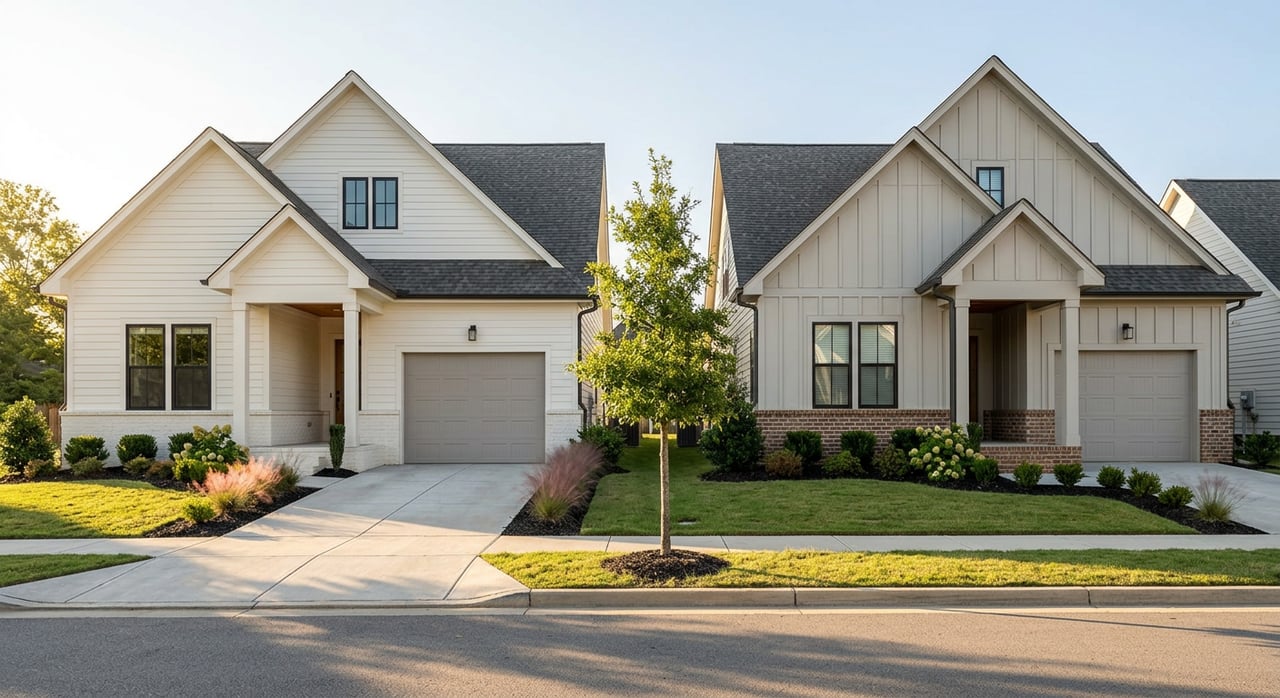
Thinking about building or buying new in Knightdale but not sure where to start? You’re not alone. With several master-planned neighborhoods, a mix of townhomes and single-family options, and builder contracts that read differently than resale, there’s a lot to compare. In this guide, you’ll see where new homes are happening, what floorplans and amenities to expect, how timelines and contracts work in North Carolina, and simple steps to protect your purchase. Let’s dive in.
Knightdale new-home snapshot
Knightdale sits just east of Raleigh and has been adding new neighborhoods with pools, trails, and pocket parks. You’ll see national and regional builders active in town, along with local firms. For a quick view of current communities and inventory, browse the curated list on NewHomeSource’s Knightdale page.
Local economic reports highlight Knightdale’s steady growth, which supports ongoing development and a range of quick-move and to-be-built options in 2025 and 2026. See the town’s profile in the Raleigh-Wake economic development brief for market context.
Community spotlights
Stoneriver by Lennar
Stoneriver is a master-planned community with single-family homes and townhomes. Amenities published by the builder include a clubhouse, saltwater pool, and fitness spaces. You’ll find multiple plan collections and amenity details on the Stoneriver community page.
The Preserve at Marks Creek by Pulte
This 103-acre planned community received approvals for 369 lots and is planned to include ponds, a pool, trails, and a dog park. For current plan offerings and townhome or single-family details, start with Pulte’s community overview. The Town’s project file also outlines the approved layout and density. You can review it on the Preserve at Marks Creek project page.
Other active options to watch
Additional national builders have announced or are marketing townhome and single-family neighborhoods in Knightdale. Examples include Toll Brothers collections at Forestville Village and D.R. Horton’s Manors and Villas at Haywood Glen. Offerings can shift by phase, so use the builder’s sales office for the most current release schedule and homesite list.
Home types and floorplans
You’ll see a broad mix, from three-story townhomes to mid-size and larger single-family homes.
- Townhomes and smaller single-family plans commonly run about 1,700 to 2,300 square feet in many collections.
- Mid to larger single-family production plans often span roughly 1,900 to 3,400+ square feet, depending on the builder and collection.
Many neighborhoods also offer villa or one-level living options with smaller yards and HOA-maintained landscaping. Always verify the square footage, bedroom count, and included features for the exact plan and elevation you’re considering. Builders post those details on their community pages, and sales reps can provide current spec sheets.
Lot sizes and amenities
In master-planned projects, expect a range of lot sizes. Production single-family lots often fall in the small-suburban range, roughly 0.10 to 0.25 acres, with attached product on smaller footprints. The approved plan for The Preserve at Marks Creek outlines the overall site acreage and total lots, which helps illustrate typical density patterns in Knightdale. You can confirm specifics in the Town’s project file and in the builder’s site map and recorded plat.
Common amenity packages in Knightdale include a clubhouse, resort-style pool, cabana or fitness areas, playgrounds, dog parks, walking trails, and pocket parks. Verify which amenities are included in your phase and when they are scheduled to open.
Build paths and timelines
You can choose from three main paths, each with trade-offs.
- Spec or quick-move-in. A finished or near-finished home that can close in weeks or a few months. Limited ability to change options.
- Presale or to-be-built. You pick the lot and plan. Structural choices and key systems must be selected early, with more cosmetic finishes chosen later.
- Custom. More control over design and finishes, usually a longer and more complex process.
Timelines vary. Recent industry summaries tied to national data suggest production homes often take several months from permit to completion, commonly in the 6 to 9 month range, with some variation by market and year. For context, see this overview of build durations and drivers in SoFi’s analysis. Your builder’s posted move-in calendar is the best guide for a specific lot.
Contracts and protections in North Carolina
Buying new construction in North Carolina feels different from writing a resale offer. Here are key points to understand.
Due diligence vs earnest money
The state’s commonly used contract practice separates a Due Diligence Fee paid to the seller and Earnest Money held in escrow. The due diligence fee is typically nonrefundable if you terminate during the due diligence period, while earnest money is generally refundable when you terminate correctly within that window. Review timing and payment rules in the North Carolina Real Estate Commission’s guidance on due diligence fees. Calendar the deadline to the minute.
Builder contracts and punch lists
Most builders use their own purchase agreements, not the standard resale forms. Many define a “substantial completion” point that can allow closing even if some punch-list items or community amenities are unfinished. Some builder contracts also limit remedies or escrow holdbacks for incomplete items. Real estate attorneys often recommend clear punch-list language and, when possible, an escrow holdback with defined release triggers. For a plain-English discussion of punch-list and holdback strategies, see this legal commentary on managing close-out issues. Your agent can help you request clearer definitions and cure periods.
Inspections you should schedule
New homes benefit from staged inspections. A pre-drywall inspection is especially valuable because framing, wiring, plumbing, and HVAC runs are exposed. InterNACHI outlines why this is the best time to verify key systems in its summary of pre-drywall inspections. Plan for a final inspection as well and document corrections in writing with target dates.
Warranties and what they cover
Most production builders enroll homes in layered warranties, commonly described as 1-year workmanship, 2-year systems, and 10-year structural coverage. Programs vary by builder, so ask who administers the warranty, what is covered, and how to file a claim. For an overview of how 1-2-10 programs work in North Carolina, review this summary from 2-10 Home Buyers Warranty.
Selection windows and upgrade priorities
Structural and behind-the-wall choices usually lock in early. Think bedroom and bath counts, alternate kitchen layouts, additional windows, electrical and low-voltage, and any options affecting framing or mechanicals. Cosmetic finishes like flooring, counters, and cabinet hardware tend to finalize at later design appointments. Keep a running list of must-haves versus nice-to-haves, and request written pricing and any schedule impacts before authorizing changes.
How your buyer’s agent adds value
A buyer’s agent with construction literacy does more than open doors. In new construction, your agent can:
- Benchmark local due diligence fee, earnest money, and due diligence period norms so you write a strong but protected offer.
- Request clear punch-list and close-out terms, including definitions of substantial completion and specific cure timelines.
- Coordinate staged third-party inspections and attend the pre-drywall walk to document corrections.
- Track selection deadlines and insist that change orders show written cost and schedule impacts before work begins.
- Confirm warranty enrollment in writing and make sure claim procedures are clear before closing.
Quick Knightdale new-build checklist
Use this short list to stay organized.
- Confirm the exact homesite. Record the lot number and verify the lot size on the site map and recorded plat or PUD file.
- Request the documents. Ask for HOA bylaws, master plan and phasing, amenity schedule, and the builder’s warranty booklet.
- Negotiate and calendar. Set the due diligence period deadline, due diligence fee amount and payee, earnest money holder and timeline, selection deadlines, pre-drywall inspection window, and final walkthrough date.
- Price changes in writing. Require written change-order pricing and any schedule impact before upgrades are built.
- Schedule inspections. Plan pre-drywall and final inspections and document punch-list items with target dates and signatures.
- Verify warranty enrollment. Confirm the 1-2-10 coverage details and how to submit claims after closing.
Ready to compare options?
If Knightdale is on your list, you have strong choices across townhome, villa, and single-family communities, plus spec and to-be-built paths that can match your timeline. The right agent helps you weigh plan options, lot fit, amenity trade-offs, and builder contract terms so you move in with confidence. When you want seasoned guidance and responsive, hands-on support from the first model tour to the final walkthrough, reach out to Chad Ross.
FAQs
What new-home amenities are common in Knightdale?
- Most master-planned communities advertise a clubhouse, resort-style pool, fitness or outdoor fitness areas, playgrounds, dog parks, trails, and pocket parks, with specifics published on each builder’s community page.
How long does it take to build a new home?
- Production timelines often run several months from permit to completion, commonly around 6 to 9 months, but use the builder’s move-in calendar for the most accurate estimate.
What is the difference between due diligence and earnest money in NC?
- The due diligence fee is usually paid to the seller and is typically nonrefundable if you terminate during the due diligence period, while earnest money is held in escrow and is generally refundable if you terminate properly within that period.
Can I do a home inspection on new construction?
- Yes, and you should; schedule a pre-drywall inspection when systems are exposed and a separate final inspection to verify corrections and finish quality.
Are builder warranties standard in North Carolina?
- Many production builders use layered warranties often described as 1-year workmanship, 2-year systems, and 10-year structural coverage, but terms vary, so confirm the exact program in writing before closing.