If you are hoping to sell your Fuquay-Varina home quickly, it helps to start with a realistic expectation: even in a growing town, most sales do not happen overnight. You may be balancing repairs, packing, paperwork, and your next move all at once, which can make the process feel harder than it needs to be. The good news is that a clear timeline can help you stay ahead of the biggest delays and make better decisions at each step. Let’s break down what a practical selling timeline looks like in Fuquay-Varina.
Why timing matters in Fuquay-Varina
Fuquay-Varina continues to grow quickly. According to the Town of Fuquay-Varina demographic information, the population grew from 17,937 in 2010 to 34,152 in 2020, with a 2024 estimate of 46,617. That kind of growth can support buyer demand, but it does not mean every home sells in a weekend.
Current public market trackers suggest a more measured pace. As summarized in the local research, homes in Fuquay-Varina have recently been taking about one month to six weeks to go under contract, depending on the source. That makes preparation especially important, because the strongest launch often starts several weeks before your listing goes live.
A simple home-selling timeline
For most sellers, the full process works best when you think in phases, not just in listing day. A practical timeline often looks like this:
- 2 to 6+ weeks before listing: assess condition, make repairs, declutter, clean, stage, and gather disclosures
- Listing week: photography, go live, begin showings, and possibly host an open house
- First 1 to 6 weeks on market: review activity, respond to offers, and adjust if needed
- About 30 to 45 days after contract for financed buyers: inspections, appraisal, title work, and closing prep
- After closing: move-out period if negotiated
Your exact timeline can be shorter or longer based on your home’s condition, price point, and your moving plans. Still, this framework gives you a practical way to prepare.
2 to 6 weeks before listing
Start with a home assessment
Pre-listing prep is often the longest part of the process. According to Realtor.com’s home-selling timeline, many sellers need about two weeks to a month just to get the home market-ready, and major repairs can take much longer.
Start by walking through your home with a critical eye. Look for deferred maintenance, worn finishes, and anything that could distract a buyer from the home itself. This is where a thoughtful plan matters more than rushing.
Decide on repairs early
If your home needs work, begin as soon as possible. Bigger items can take weeks or even months to schedule and complete, especially if contractors are busy.
The National Association of Realtors consumer guide notes that a pre-sale inspection is optional, but it can help uncover issues with roofing, plumbing, electrical, HVAC, structure, or other systems before a buyer finds them. That does not mean every seller needs one, but it can be useful if you want fewer surprises later.
Declutter and clean room by room
Decluttering usually takes longer than sellers expect. Realtor.com notes that it can take about a week per room, depending on how much you need to sort, store, donate, or discard.
Focus on making each room feel open, functional, and easy to understand. NAR recommends cleaning windows, carpets, lighting fixtures, and walls, while also putting away extra belongings that make spaces feel crowded. A clean home photographs better and usually shows better in person too.
Stage for function and flow
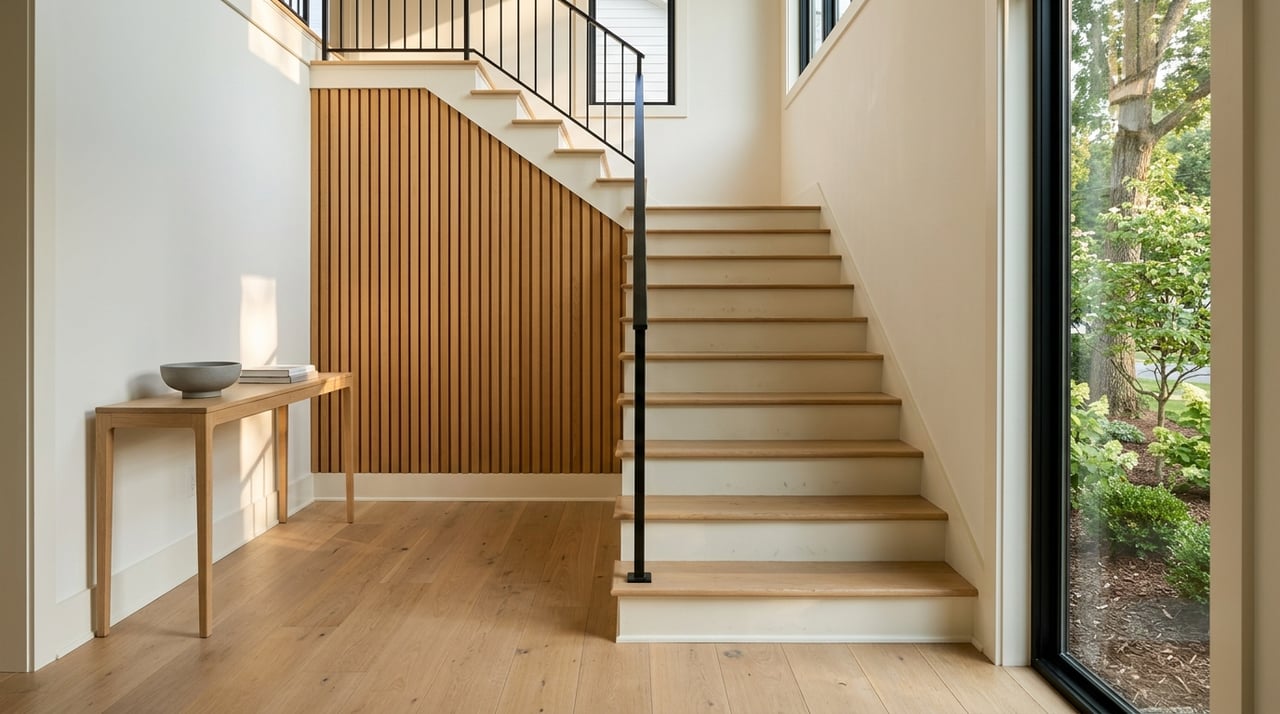
Staging does not have to mean a full redesign. NAR defines staging as cleaning and temporarily furnishing the home so buyers can better picture living there.
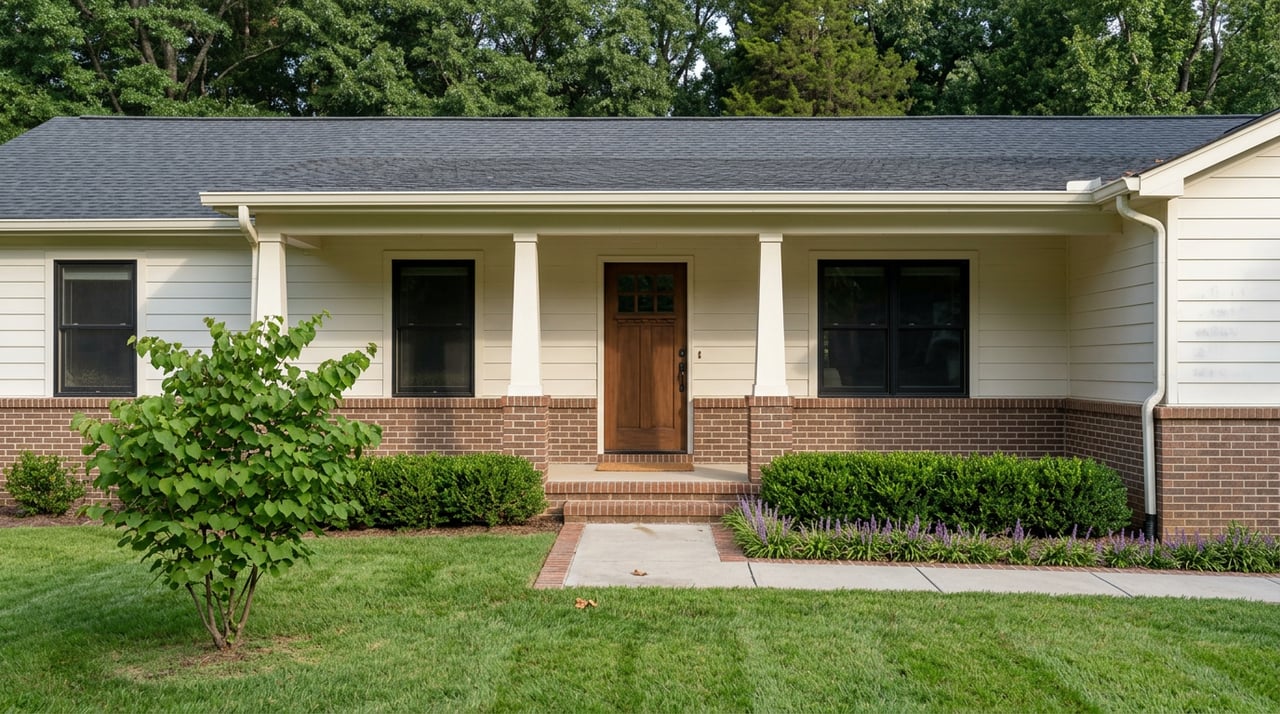
For many homes, staging may take only a few hours to a few days, according to Realtor.com. The goal is to highlight space, light, and layout. In practical terms, that often means simplifying furniture placement, removing overly personal items, and sharpening curb appeal at the front entrance.
Handle disclosures before you list
Paperwork can slow a sale if you leave it until the last minute. In North Carolina, the seller must provide a residential property disclosure statement to the buyer before an offer to purchase, as outlined in North Carolina General Statute 47E-4.
If your home is part of an HOA or another covenant-controlled community, you may also need the owners’ association and mandatory covenants disclosure statement. For most homes built before 1978, federal law also requires a lead-based paint disclosure and EPA pamphlet. If you learn new information after completing a disclosure, it must be updated and shared with prospective buyers.
Listing week
Launch with strong presentation
Once your home is ready, listing week becomes all about presentation and availability. This is when photography, final touch-ups, and marketing come together.
The first days matter because buyer interest is often strongest right after a home hits the market. If your home is clean, bright, and easy to show, you put yourself in a better position to capture that early attention.
Keep the home show-ready
According to Realtor.com, showings can begin on the first day or within the first week, and buyers often expect about 12 to 24 hours’ notice. Showings typically last 15 to 30 minutes.
That means your best strategy is to keep the home ready every day during launch. Limiting showing times too much can reduce momentum, especially in the first week when buyers are deciding which homes deserve a closer look.
Expect an open house or early activity
Open houses are often held at launch or within the first week, according to Realtor.com. Even if your eventual buyer comes through a private showing, early weekend traffic can help build awareness and feedback.
Some sellers receive fast interest, but it is smart to stay measured. You may hear from buyers quickly, yet that does not always mean you should make a decision in a matter of hours.
The first few weeks on market
Give the launch time to work
In some cases, sellers get an offer within 24 to 48 hours. Realtor.com also notes that some sellers wait through a full weekend, or around 72 hours, so more buyers can see the home before responding.
In Fuquay-Varina, the practical expectation is usually closer to several weeks of market exposure rather than an instant sale. A strong first week matters, but so does patience if your home does not go under contract immediately.
Watch feedback and stay flexible
The first two to three weeks can tell you a lot. If showings are strong but offers are not coming in, buyers may be reacting to price, condition, or competition. If showings are light, it may be time to revisit presentation or pricing strategy.
This stage is where experienced guidance can make a difference. A seller benefits from clear communication, quick interpretation of market feedback, and a plan that responds to actual buyer behavior rather than guesswork.
Under contract to closing
Understand due diligence in North Carolina
Once you accept an offer, the timeline shifts from marketing to contract management. In North Carolina, the due diligence period begins on the effective date of the contract and is negotiable, according to the NCREC due diligence Q&A.
If a due diligence fee is part of the contract, it is due immediately on the effective date and is generally nonrefundable if the buyer terminates during the due diligence period. Buyers may ask for repairs or concessions, but the seller is not required to agree. During this time, you should expect to keep the home accessible for inspections, appraisal, and any follow-up visits.
Plan on roughly 30 to 45 days
For a financed sale, a reasonable closing window is often about 30 to 45 days. Realtor.com places the inspection and appraisal phase at about three weeks overall, with inspections often happening within about seven days and appraisals sometimes taking two or more weeks.
The Consumer Financial Protection Bureau requires lenders to provide the Closing Disclosure at least three business days before signing. NAR also notes that the steps between contract and closing can take several weeks or more depending on the lender, title work, appraisal, insurance, and other details.
Cash sales may move faster
Not every sale follows the same calendar. Cash deals can often close more quickly because they may avoid some lender-driven timing. Still, title work, document preparation, and scheduling still need time, so it is best not to assume an immediate closing.
Plan your move-out separately
One of the most common seller mistakes is treating move-out like an afterthought. Your sale may close on one day, but that does not always mean you need to be fully out that same afternoon.
Realtor.com notes that a 30-day move-out period after closing is common, while 45- or 60-day arrangements are sometimes negotiated. In some situations, a post-closing occupancy agreement can give you extra time if you need to coordinate the purchase of your next home.
If you are both selling and buying, it helps to plan those two timelines together from the start. That can reduce stress and lower the chances of last-minute housing gaps.
A practical checklist for sellers
If you want a simple way to stay on track, use this checklist:
- 6+ weeks out: assess condition and identify repairs
- 4 to 6 weeks out: schedule contractors and decide whether a pre-listing inspection makes sense
- 3 to 4 weeks out: declutter, deep clean, and improve curb appeal
- 1 to 2 weeks out: stage key spaces and complete photography prep
- Before listing: finish required disclosures and gather HOA or lead-based paint documents if needed
- Listing week: keep the home show-ready and flexible for buyer traffic
- Under contract: prepare for inspections, appraisal, and closing tasks
- Before closing: confirm move-out timing and any post-closing occupancy terms
Selling on a smart timeline is not about rushing. It is about doing the right things in the right order so your home enters the market prepared, competitive, and easier to negotiate from a position of strength.
If you are thinking about selling in Fuquay-Varina, working with an experienced local broker can help you map out repairs, pricing, timing, and next-step logistics before your home ever goes live. For a personalized market consultation, call or text Chad Ross.
FAQs
How long does it usually take to sell a home in Fuquay-Varina?
- Recent public trackers cited in the research suggest many homes are taking about one month to six weeks to go under contract, though your timeline can vary based on condition, pricing, and buyer demand.
Should I get a pre-listing inspection before selling a Fuquay-Varina home?
- It is not required, but it can help uncover issues before a buyer’s inspection and may reduce surprises during negotiations.
What disclosures are required to sell a home in North Carolina?
- Sellers generally need to provide a residential property disclosure statement before an offer, and some homes may also require HOA-related disclosures or lead-based paint disclosure for homes built before 1978.
How long does closing take after accepting an offer in North Carolina?
- A financed sale often takes about 30 to 45 days, although cash transactions may close faster depending on title work and scheduling.
Can I stay in my Fuquay-Varina home after closing?
- In some cases, yes. Sellers can negotiate a later closing date or a post-closing occupancy arrangement if extra time is needed for the move.