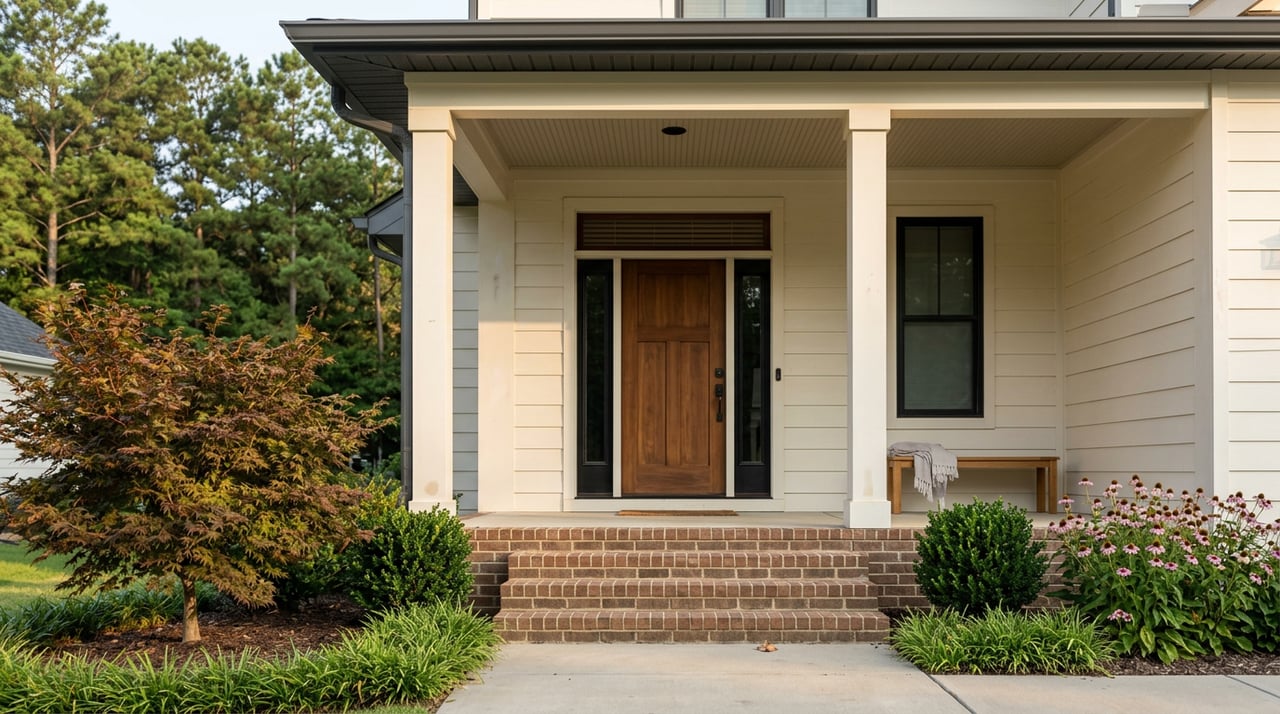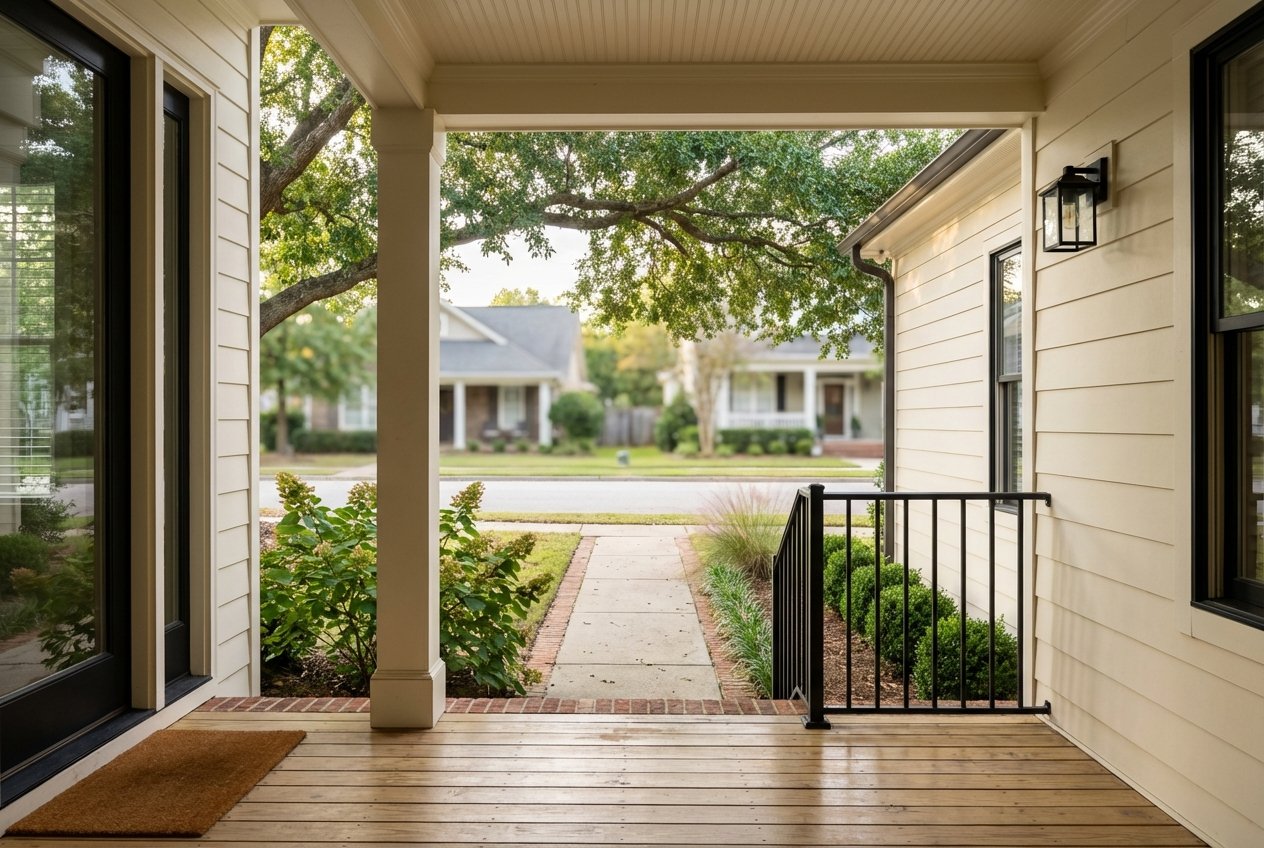
Picture two Wake Forest mornings. In the historic core, you grab a coffee and stroll South White Street as the Wake Forest Farmers’ Market sets up. In a newer neighborhood, you wave to neighbors on the sidewalk, walk the dog to the pocket park, then head to the community pool later. If you are weighing these lifestyles, you are not alone. This guide shows how daily life compares so you can choose what fits you best. Let’s dive in.
Everyday vibe: downtown vs newer
Living in Wake Forest’s historic core centers your week around a compact main street with short blocks, local shops, and regular community events. The feel is small-town and people focused. You can walk to coffee, boutiques, and evening concerts most weeks.
In newer, planned-edge communities, the rhythm is residential and amenity forward. You get on-site pools, clubhouses, trails, and sport courts that make weeknights simple and social. You will still drive for most errands, but daily recreation often happens right inside the neighborhood.
Housing form: what you see on the street
Historic core patterns
Downtown Wake Forest features narrow lots, short front setbacks, and early 20th-century homes close to the sidewalk. That pattern makes walking feel natural and direct for coffee runs or a quick lunch. The town’s Renaissance planning materials describe this area as compact and walkable relative to outlying neighborhoods.
- Many daily spots cluster along South White Street and nearby blocks.
- Parking is available but shared with businesses and events, so residents often walk short blocks for outings.
- Addresses on or near South White Street can feel especially connected to downtown routines.
Newer community patterns
Planned-edge neighborhoods commonly offer single-family homes and townhomes with HOA-managed amenities. Builders highlight pools, clubhouses, playgrounds, walking trails, and sometimes pickleball or a dog park. Examples that show the pattern include the amenity-forward Rosedale by Lennar and The Townes at Prestleigh by D.R. Horton, which notes a pool, dog park, and a greenway connection.
- Expect HOA dues that fund shared amenities and set property rules.
- Many day-to-day recreation needs are inside the neighborhood.
- Larger errands and specialty shopping are a short drive to nearby centers.
Errands and social life: how it plays out
Walkability in the historic core
If walking to errands is a priority, downtown addresses make it realistic. Central South White Street locations show Walk Scores in the roughly 60–70 range, like this example at 434 S. White Street. That is a strong contrast to more car-dependent areas of town.
- You can often walk to coffee, a meal, a boutique, or the farmers market.
- Many evenings and weekends come with built-in events, so leaving the car at home is common.
- You will share street space and parking with visitors during event nights.
Downtown’s weekly rhythms include the year-round Wake Forest Farmers’ Market, plus seasonal concerts like Friday Night on White. These events build predictable routines into your calendar and bring energy to the streets.
Errands from newer neighborhoods
In planned-edge neighborhoods, you spend less time arranging off-site activities because many are on-site. Pools, pocket parks, trails, and fitness classes at the clubhouse often cover weekday recreation. Most grocery trips, pharmacy runs, and specialty errands are still short drives to nearby shopping centers.
- Builders often note proximity to grocery and retail hubs in their community pages.
- You gain convenience for leisure activities with internal sidewalks and trails.
- Social life often centers on neighborhood events at the clubhouse or pool.
Parks and outdoor life: townwide access
Wake Forest operates a robust park and greenway system that serves both settings. The flagship is E. Carroll Joyner Park, a roughly 117-acre park with paved trails, restored farm buildings, multi-mile walking loops, and a 1,000-seat amphitheater. The town’s Parks, Recreation & Cultural Resources department manages hundreds of acres of parks and multiple miles of greenways across Wake Forest, as outlined on the PRCR facilities page.
How downtown residents use green space
If you live near the historic core, several parks are within a short drive, with some reachable by bike or a longer walk. Downtown programming uses nearby public space for concerts and markets, which acts like a social park in its own right. Evening strolls after dinner and quick dog walks are common.
- Holding Park, Kiwanis Park, and Taylor Street Park serve as close-in options.
- Joyner Park’s paved trails are a popular daily or weekend routine.
- Community events often spill into outdoor spaces, extending your walkable radius.
How newer neighborhoods integrate outdoors
Many new communities include internal trails, greenways, and open lawns that tie into town corridors where available. That makes a quick jog, dog walk, or playground trip a short, on-foot routine. When you want a larger landscape or a longer loop, Joyner Park and other municipal parks are a quick drive.
- Builders often advertise greenway access and internal sidewalks.
- On-site sport courts and pools keep weekday recreation close to home.
- Residents blend neighborhood amenities with town parks for variety.
Mobility and commute: what to expect
Most Wake Forest residents rely on cars for many daily trips. Downtown households can reduce very short car errands thanks to a compact street grid and clustered shops. From edge neighborhoods, most errands remain short drives to nearby shopping centers.
For regional transit, the Wake Forest–Raleigh Express (WRX) links Wake Forest and Raleigh. The town’s transit planning also explores local circulator loops to connect downtown, parks, and shopping hubs. You can learn more through GoTriangle, though for many households transit supplements rather than replaces car travel.
As a driving example, common estimators put Wake Forest to downtown Raleigh at about 10–15 miles and often roughly 25–40 minutes, depending on route and time of day. This range varies by your specific origin in Wake Forest and by traffic. See a sample estimator from Distantias for context.
During downtown festivals like Friday Night on White, expect higher parking demand and some street closures near the core. In planned communities, parking is usually ample, with occasional crowds near the clubhouse during big neighborhood events.
What to ask yourself before you choose
If you are leaning historic core
- How walkable is the exact address to coffee, groceries, pharmacy, and the post office? Check an example Walk Score and do your own quick walk audit using a map and a weekend visit.
- What are the parking norms on your block during events and weekends? Review town event guidance for closures and visitor patterns.
- Which weekly or seasonal events matter to you, and how often do they occur? For example, the Farmers’ Market runs year-round and Friday Night on White runs monthly in summer.
If you are leaning newer/planned community
- Which on-site amenities do you value most: pool, dog park, pickleball, trails, clubhouse, or fitness classes? Confirm the exact list, hours, and any guest policies on the builder or HOA page. Examples include Rosedale by Lennar and The Townes at Prestleigh by D.R. Horton.
- What are the HOA dues and covenants, and how do they affect your monthly budget and lifestyle preferences?
- How far is the community from a full-size grocery, pharmacy, and a major shopping center? Drive it at your usual errand times.
- Does the neighborhood connect to town greenways or have its own internal trail network? Plan your daily dog-walk or jog route in advance.
Which setting fits you best
Choose the historic core if your ideal week includes walking to coffee, browsing boutiques, and stepping out to concerts and markets. You will trade a bit of private parking convenience for easy foot access and a lively street scene on evenings and weekends.
Choose a newer planned neighborhood if you want on-site amenities, sidewalks for daily loops, and a neighborhood social calendar. You will drive for most errands, but you gain a built-in recreation routine without leaving the community.
If you want help weighing these tradeoffs for specific addresses or builder options, reach out. With decades of Triangle experience and deep new-construction knowledge, Chad Ross can help you compare communities, understand HOA and amenity packages, and match the right location to your daily life.
FAQs
Is downtown Wake Forest walkable for daily errands?
- Central South White Street addresses show Walk Scores in the 60–70 range, making coffee, dining, and boutiques realistic on foot for many downtown homes.
What amenities do newer Wake Forest communities include?
- Many offer pools, clubhouses, playgrounds, trails, and sometimes dog parks or pickleball, as shown by builder examples like Rosedale and The Townes at Prestleigh.
How far is Wake Forest from downtown Raleigh by car?
- Typical estimates place the trip at about 10–15 miles and roughly 25–40 minutes depending on origin, route, and traffic conditions.
What are the biggest parks near Wake Forest neighborhoods?
- E. Carroll Joyner Park is a major, roughly 117-acre park with paved trails and an amphitheater, supported by a broader town system of parks and greenways.
Does Wake Forest offer transit to Raleigh?
- The Wake Forest–Raleigh Express bus provides regional service, and town plans discuss local circulators that could link downtown, parks, and shopping areas.