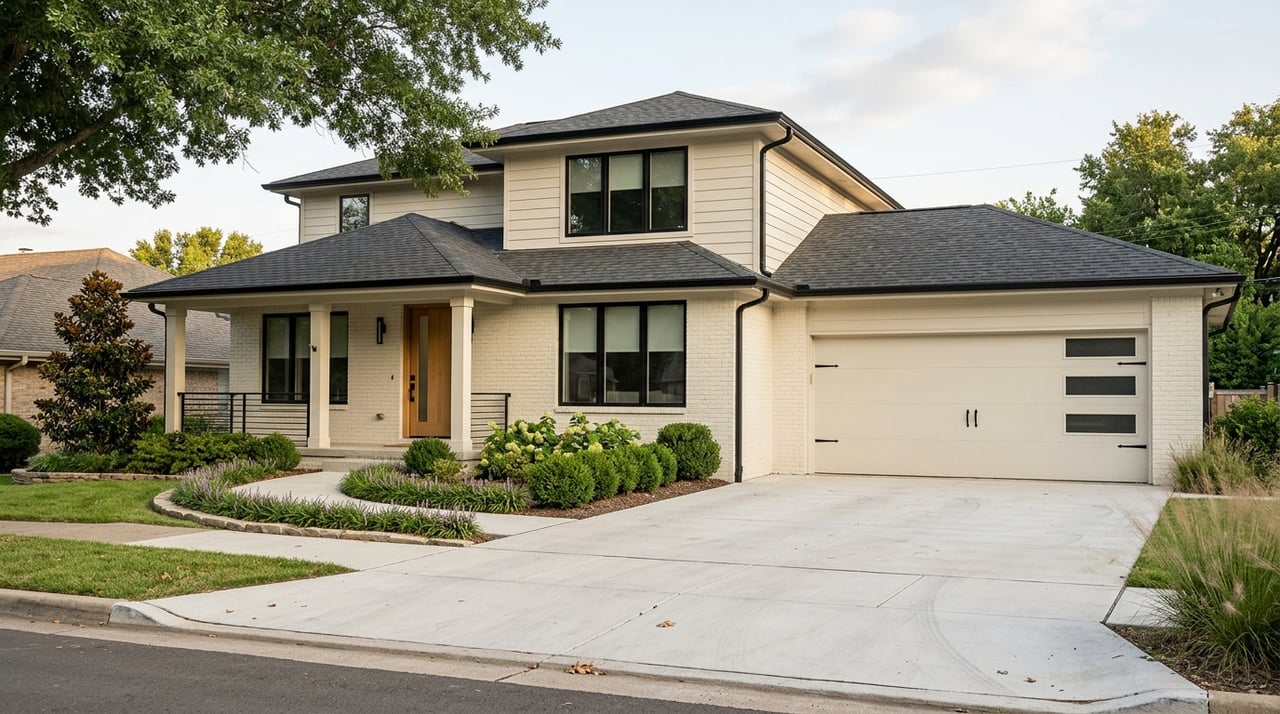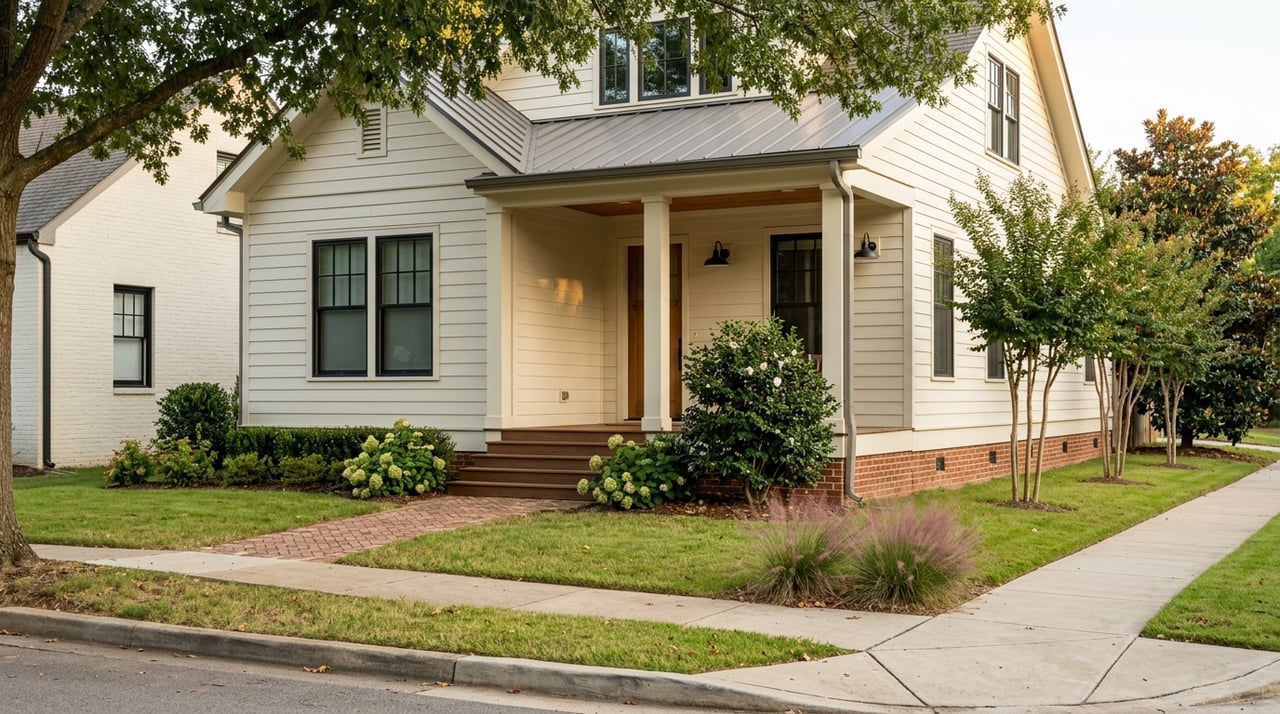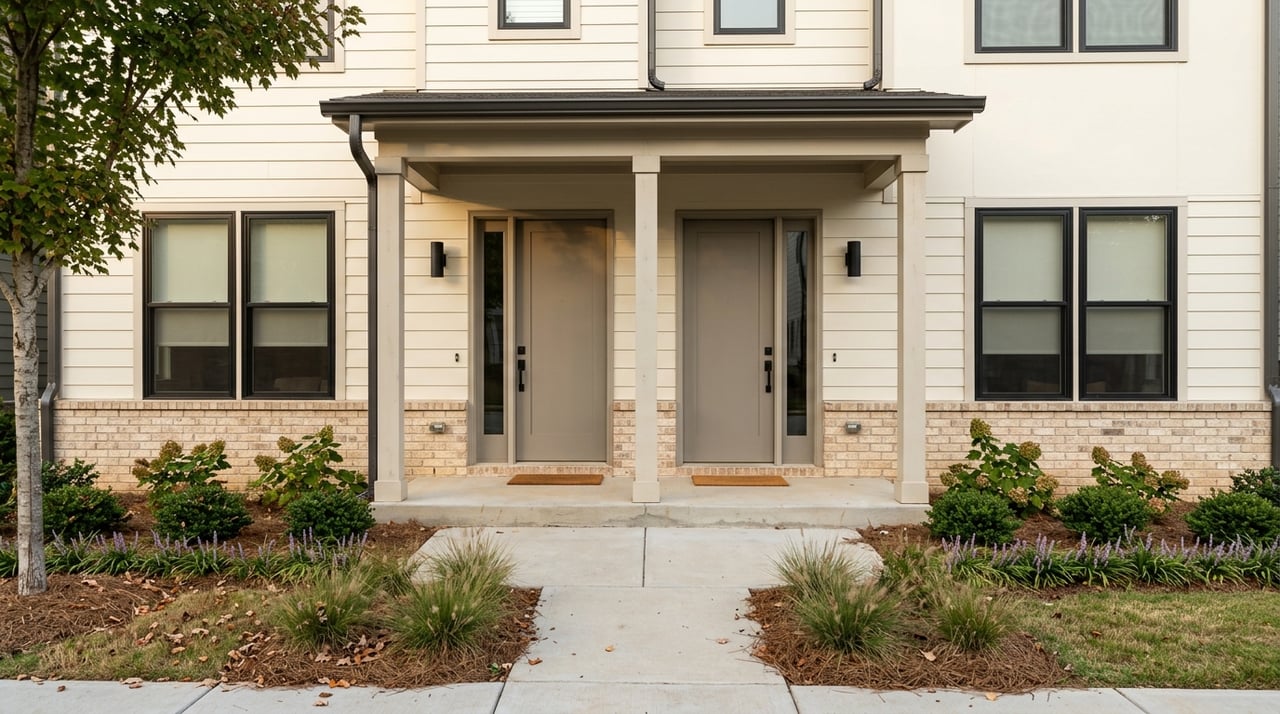
Thinking about giving up yard work without giving up Cary? You are not alone. In a market where many homeowners want to stay close to the places they know while simplifying day-to-day life, townhomes and condos have become a practical downsizing path. This guide will help you understand how these options work in Cary, what changes from a detached home, and what to review before you buy. Let’s dive in.
Why downsizing fits Cary
Cary remains a place where many homeowners want to put down long-term roots. The town’s 2026 State of Cary reports a median household income of $135,132, a median home value of $649,000, and a homeownership rate of 68.5 percent. For many owners, that creates a familiar challenge: how do you stay in Cary while reducing maintenance and housing complexity?
That is one reason attached housing matters here. Cary’s housing plan notes that attached single-family homes, such as townhomes and two-unit homes, are in limited supply, but they are often smaller, less costly, and require less exterior maintenance than detached homes. For empty-nesters and other downsizers, that makes them a natural fit.
Cary is also leaning into housing variety. The town says it is committed to diverse housing options, senior housing, ADU expansion, and aging-in-place support through efforts like Healthy Homes Cary. In other words, low-maintenance living is not a fringe idea in Cary. It is part of the town’s broader housing direction.
Townhomes vs condos in Cary
If you are downsizing, the most important difference is not just how a home looks from the street. In North Carolina, the legal structure matters because it affects ownership, maintenance, dues, and decision-making.
How townhomes usually work
A townhome may be located in a planned community with a homeowners association. In that setup, the association is typically a nonprofit corporation that adopts rules, budgets, reserves, and assessments. The lot owner usually remains responsible for the lot and improvements unless the governing documents say otherwise.
In plain terms, a townhome can mean less exterior work than a detached home, but it does not always mean no exterior responsibility. You may still need to understand who handles items like roofs, siding, patios, or small yard areas. The answer depends on the declaration and bylaws, not the marketing brochure.
How condos usually work
A condominium is legally different. Condo owners own their individual units, while the rest of the property is made up of common elements owned in common by all unit owners. The condo association is generally responsible for maintaining, repairing, and replacing those common elements, while each owner is responsible for the unit itself.
That often creates a more hands-off ownership experience, especially for buyers who want to minimize exterior chores. Still, some costs for limited common elements can be assigned differently by the declaration, so you will want to read the documents closely.
Why the distinction matters
Two homes can look similar online and operate very differently once you own them. A townhome in a planned community may leave more maintenance with the owner than a condo would. A condo may shift more work to the association, but it also comes with shared governance, monthly dues, and rules that shape how the property is used and maintained.
What Cary downsizers are often looking for
For many Cary homeowners, downsizing is less about square footage alone and more about lifestyle. You may want fewer chores, simpler upkeep, and easier access to the places you enjoy most. That trade can make a lot of sense in Cary.
Cary’s housing plan says newer higher-density development is concentrating around mixed-use and destination centers. These communities often feature smaller homes, more amenities, and better walkability near Cary Town Center and transit. That can be appealing if you would rather spend time out and about than managing a larger yard.
The same plan highlights amenities that show up in newer projects, such as fitness spaces, pools, dog parks, business hubs, and nearby shopping and dining. If convenience matters more to you than lot size, these communities can be worth a closer look.
Cary also offers strong support for a more compact lifestyle outside your front door. The town says it has more than 107 miles of paved greenways and more than 492 miles of sidewalks. For some downsizers, that helps offset the loss of a larger yard by making trails, parks, and daily outings easier to enjoy.
Price context for attached homes
Attached homes can also open the door to staying in Cary at a lower price point than many detached homes. A spring 2026 Redfin snapshot showed about 61 condos for sale in Cary with a median listing price of $352,000 and about 178 townhouses with a median listing price of $469,000. Over the same period, Cary’s overall median sale price was $600,000.
That does not mean every condo or townhome is automatically the better value. Location, condition, monthly dues, amenities, and layout still shape the real comparison. But in broad terms, attached housing often gives downsizers a more affordable entry into lower-maintenance living.
What changes from a detached home
The biggest shift is usually not the floor plan. It is the balance between independence and shared responsibility.
With a detached home, you often have more control over your property, but you also carry more of the maintenance burden yourself. With a townhome or condo, some of that work moves to the association. In return, you take on monthly dues, community rules, and a governance structure that may affect everything from exterior changes to parking and common-area use.
North Carolina’s Legislative Library notes that HOAs are governed by a mix of statutes, including the Planned Community Act, the Condominium Act, the Unit Ownership Act, and the Nonprofit Corporation Act. It also notes there is no single state or federal office regulating HOAs. That makes the governing documents especially important when you are comparing properties.
Cary adds another local point that many buyers overlook. The Town does not control whether homes are owner-occupied or renter-occupied, and it does not control details such as a house’s color or size. Those issues are often handled, if at all, through HOA rules or governing documents.
Questions to ask before you buy
When you downsize, clarity matters more than assumptions. Before you move forward on a Cary townhome or condo, focus on a few practical questions.
What do the dues cover?
Monthly dues can pay for very different things from one community to the next. They may include common-area maintenance, landscaping, exterior upkeep for certain items, amenities, or management costs. The amount only tells part of the story. You also need to know what you are getting in return.
Who maintains what?
This is one of the most important questions in any attached-home purchase. Verify whether the property is legally a condo or a planned-community townhome, then read the declaration and bylaws to see who maintains roofs, siding, patios, parking areas, and other shared or limited common areas. That is where the day-to-day reality of ownership becomes clear.
Are there rules that affect your plans?
If you want flexibility, review the rules early. Exterior changes, parking, pets, rentals, and use of common areas may all be addressed in the governing documents. Cary itself does not set those private community rules, so the HOA paperwork is where you will find the answers.
Are there approved assessments or pending issues?
North Carolina law requires sellers of most HOA-governed residential properties to provide an owners’ association and mandatory covenants disclosure statement before a buyer makes an offer. That disclosure must identify the association contact, the amount of regular dues, services paid by those dues, approved assessments or special assessments, pending lawsuits, and any transfer fees charged by the association or management company.
Those details matter because they affect both your monthly carrying costs and your comfort level with the property. They can also shape resale value later.
How to weigh the trade-offs
The Cary downsizing decision is rarely just about going smaller. More often, it is about deciding what you want more of and what you are ready to give up.
If you value privacy, extra storage, and outdoor space, a detached home may still fit your goals better. If you want less maintenance, shared amenities, and a simpler daily routine, a townhome or condo may be the better match.
In Cary, the trade-off is often clear: more yard space and flexibility on one side, or lower-maintenance living and shared amenities on the other. Neither choice is universally better. The right answer depends on how you want to live.
How Chad Ross can help
When you compare townhomes and condos, the details matter. Ownership structure, HOA documents, dues, construction quality, and resale appeal all deserve a close look. That is where experienced local guidance can save you time and help you avoid expensive surprises.
Chad Ross brings decades of Triangle market experience and a hands-on, consultative approach to every transaction. If you are weighing a move in Cary, he can help you compare options, understand the practical trade-offs, and narrow in on the right fit for your next chapter.
Call or text Chad Ross for a personalized market consultation.
FAQs
What is the difference between a Cary townhome and a Cary condo?
- In general, a townhome in a planned community usually means you own the lot and improvements unless the documents say otherwise, while a condo means you own the unit and share ownership of the common elements with other owners.
Are townhomes and condos in Cary cheaper than detached homes?
- Often, yes. A spring 2026 market snapshot showed Cary condos with a median listing price of $352,000 and townhouses at $469,000, compared with an overall Cary median sale price of $600,000.
What should Cary downsizers check in HOA documents?
- Review what the dues cover, who maintains roofs and exterior features, what rules apply to changes or use, and whether there are approved assessments, pending lawsuits, or transfer fees.
Does the Town of Cary control HOA rules for townhomes and condos?
- No. Cary says it does not control issues such as owner occupancy, renter occupancy, or details like a house’s color or size. Those matters are often handled through HOA or community documents.
Why are attached homes appealing for downsizing in Cary?
- Cary’s housing plan says attached homes are often smaller, less costly, and require less exterior maintenance, which makes them a practical option for empty-nesters and others who want a simpler lifestyle.