Wondering if Fuquay-Varina gives you the home and lifestyle you want without creating a commute you will regret? That is one of the biggest questions buyers ask when they are comparing more space and value in southern Wake County with daily travel to Raleigh or RTP. The good news is that Fuquay-Varina can work well for the right buyer, but the commute is real and worth planning around carefully. Let’s dive in.
Why Fuquay-Varina Draws Commuters
Fuquay-Varina is firmly part of the Triangle’s commuter landscape. The town sits in southwestern Wake County where US 401, NC 55, and NC 42 come together, with direct access toward Raleigh, Durham, Chapel Hill, Research Triangle Park, and Raleigh-Durham International Airport.
Town transportation materials also note that traffic patterns are heavily oriented north and northwest toward Raleigh, Cary, Durham, and RTP. In other words, many residents live in Fuquay-Varina and travel elsewhere for work, which shapes the way buyers should think about home location inside the town.
That pattern shows up clearly in the numbers. Using 2019 LEHD data, the town found that 27.5% of employed residents commuted to Raleigh, 13.0% to Cary, and only 7.3% worked in Fuquay-Varina itself. For many buyers, that confirms what they already suspect: Fuquay-Varina is not just a place to live, it is a place to launch from.
What the Average Commute Looks Like
Current Census QuickFacts put Fuquay-Varina’s mean travel time to work at 33.1 minutes. That is longer than Wake County at 25.1 minutes and longer than Raleigh at 23.0 minutes.
That does not mean every commute will feel long, but it does help explain the tradeoff. When you buy in Fuquay-Varina, you are often getting a more suburban setting while accepting a commute that is usually more car-dependent than what you would see closer to central Raleigh or inside major job centers.
Driving to Raleigh vs. RTP
If your job is in Downtown Raleigh, Fuquay-Varina tends to be easier to manage than if you work in RTP. The town’s 2023 transportation planning materials use a helpful benchmark of about 25 minutes to Raleigh via US 401.
For RTP or Durham, the same town materials put the trip at about 45 minutes via NC 55. That makes RTP the longer commute and often the less predictable one, especially when your drive includes both local roads and regional corridors.
For buyers, this is one of the most useful ways to frame the decision:
- Raleigh commute: generally shorter and simpler
- RTP commute: generally longer and more variable
- Hybrid work schedule: often makes Fuquay-Varina easier to justify
- Five-day in-office RTP schedule: usually requires more careful location planning
Why Your Spot in Town Matters
Not every Fuquay-Varina address will feel the same on a workday morning. Your first few miles can make a big difference before you even reach the main corridor.
Judd Parkway plays an important role here. It is a 7-mile loop built to reduce congestion on downtown streets, and the loop was completed in 2021. From a practical buyer perspective, homes with easier access to Judd Parkway and the US 401, NC 55, and NC 42 network usually have a stronger commuting position.
In general, homes on the north or east side of town and homes closer to those major road connections tend to reduce local drive time before the regional commute starts. Homes farther south or west can add extra minutes to the beginning and end of the trip, which matters more than many buyers expect.
Commute-Friendly Home Search Strategy
If commute time is one of your top priorities, it helps to search with the road network in mind, not just the price range or square footage. In Fuquay-Varina, location efficiency often comes down to how quickly you can get from your neighborhood to the main arteries.
A practical checklist looks like this:
- Prioritize access to US 401, NC 55, NC 42, and Judd Parkway
- Check how much local driving is required before reaching those roads
- Compare a home’s location for both your morning and evening route
- Think about your most common destination, whether that is Raleigh, Cary, or RTP
- If you work hybrid, decide how much commute time you can comfortably absorb on office days
This is where local guidance matters. Two homes may look similar online, but one may have a much smoother daily route than the other.
Downtown Lifestyle vs. Faster Access
Some buyers want the shortest possible drive. Others care just as much about being close to the town’s two downtown districts, where Fuquay-Varina describes the area as mixed-use and pedestrian-friendly.
That creates a real lifestyle choice. Downtown-adjacent homes may offer easier access to local shops, restaurants, and in-town activity, but they do not always give you the most efficient launch point for a Raleigh or RTP commute.
On the other hand, homes nearer the major corridors or the loop may be better for weekday travel while feeling a bit more focused on convenience than downtown proximity. Neither choice is right or wrong. It depends on whether you want to optimize for daily drive time, in-town lifestyle, or a balance of both.
What Housing Patterns Mean for Buyers
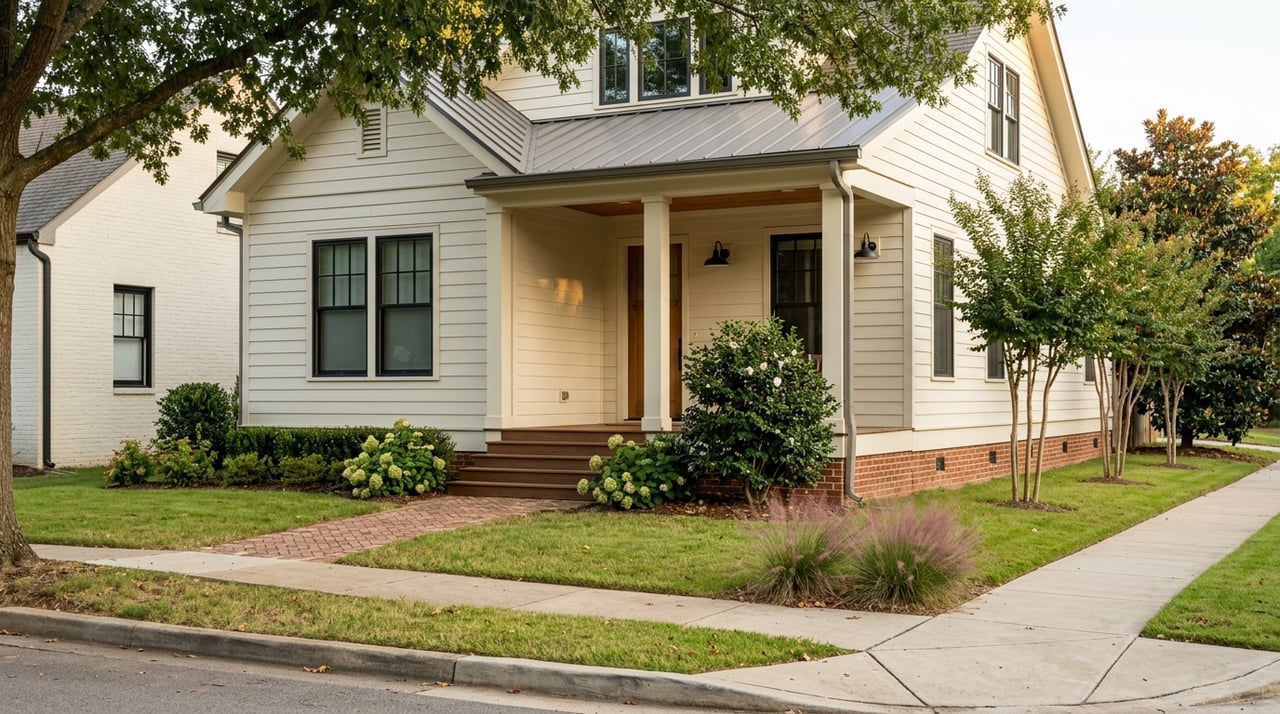
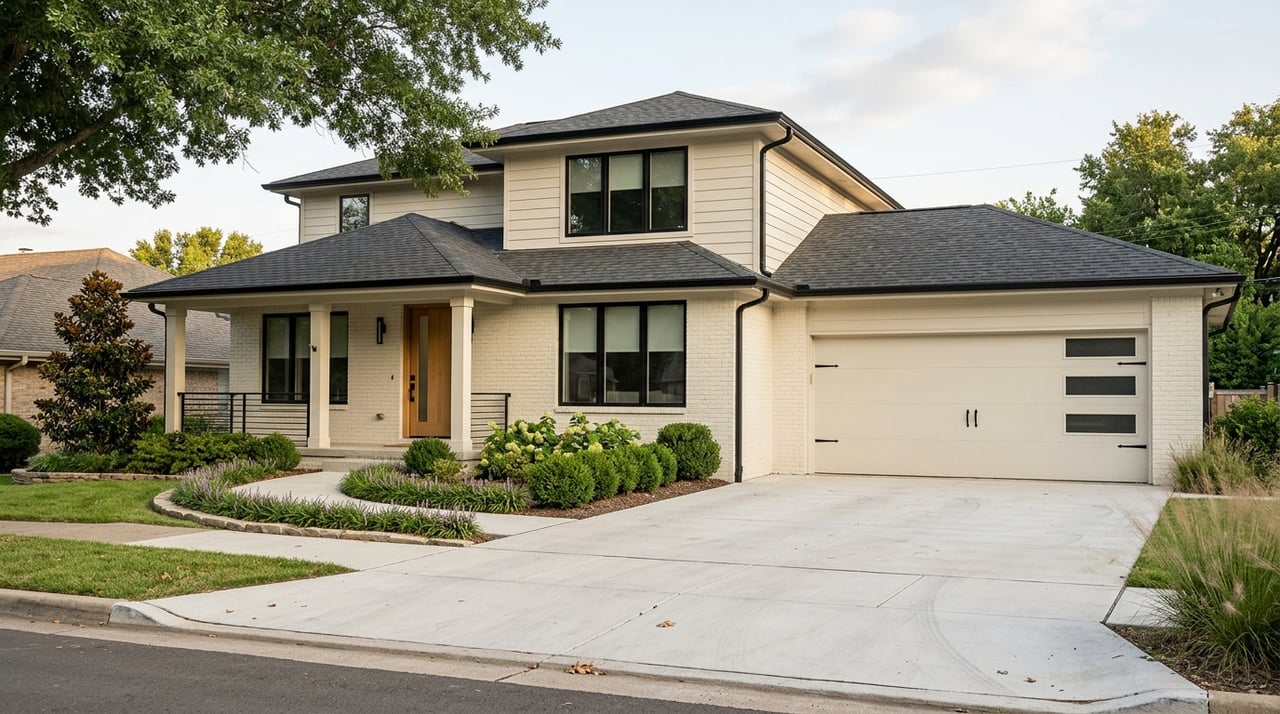
Town planning materials indicate that Fuquay-Varina includes numerous residential housing types. For buyers, that supports a practical way to think about the market: you will generally find older in-town homes near the downtown cores, established subdivisions near the loop, and newer planned communities farther out.
That mix can be helpful if you are weighing commute against home style. A buyer who wants a newer home may find options farther from the center, but that can come with more local driving. A buyer who values central positioning may prefer an older or more established area with quicker access to town connectors.
This is why the home search in Fuquay-Varina works best when you evaluate house, neighborhood position, and commute together rather than treating them as separate decisions.
Can You Use Transit Instead?
Transit exists, but most buyers should view it as a backup or hybrid option rather than a full replacement for driving. Fuquay-Varina’s current transit setup is bus- and microtransit-based, not rail-based.
GoRaleigh says MicroLink launched in Fuquay-Varina on January 5, 2026. It operates on demand on weekdays from 6:00 a.m. to 8:00 p.m. and Saturdays from 7:00 a.m. to 8:00 p.m. It also replaced FRX in applicable service areas, although the FRX Fuquay-Varina to Raleigh Express route page is still live, so riders should verify the current service pattern before relying on a fixed route plan.
For regional connections, GoTriangle park-and-ride options can help. Most lots across the Triangle are free, some require registration, and overnight parking is not allowed.
A few relevant examples include:
- Cary Depot: served by Routes 300 and 310
- Regional Transit Center: served by Routes 100, 310, 700, 800, and RDU Shuttle
- Holly Springs Ting Park: served by Route 305
For RTP-bound commuters, Route 310 is a key regional link. GoTriangle’s current schedule runs between the Regional Transit Center, Wake Tech RTP Campus, and Cary Depot, with weekday departures about every 30 minutes through much of the service day.
The practical takeaway is simple: transit can help, but it usually works as a transfer network. It is not usually a one-seat trip from a Fuquay-Varina neighborhood straight to an RTP office.
Will Future Road Projects Help?
Probably, but buyers should treat future improvements as part of the long-term story, not as immediate relief. The town says it currently has more than 40 transportation projects in design, construction, or planned phases.
NCDOT says the NC 55 extension includes a connector to Judd Parkway and improvements in the US 401, NC 55, and NC 42 area. The town also says the NC 540 Southeast Extension is under construction and will intersect US 401 on the north side of town.
Those projects matter because they may improve connectivity over time. Still, if you are buying now, your decision should be based on today’s route reality first and future benefits second.
Is Fuquay-Varina Too Far From RTP?
For some buyers, no. For others, yes. The answer really depends on your schedule, your tolerance for drive time, and where in Fuquay-Varina you buy.
If you work in Raleigh, Fuquay-Varina often makes straightforward sense. If you work in RTP every day, it can still work, but you should go in with clear expectations about the roughly 45-minute planning benchmark and the fact that your neighborhood position inside town will influence the experience.
A good rule of thumb is this:
- Best fit: buyers who want more space and can handle a commuter setup
- Better fit for Raleigh workers: those with a primary commute toward Downtown Raleigh
- Possible fit for RTP workers: those with hybrid schedules or strong tolerance for driving
- Needs close review: buyers with a strict daily RTP schedule who want the shortest trip possible
How to Shop Smarter in Fuquay-Varina
When you tour homes here, try to think beyond the front door. A beautiful house can lose some appeal if the daily route wears on you after a few months.
It helps to ask practical questions during your search:
- How quickly can you reach US 401, NC 55, NC 42, or Judd Parkway?
- Is this location better for Raleigh, Cary, or RTP?
- Are you choosing a lifestyle-first location or a commute-first location?
- Would a backup transit option be useful for your work pattern?
- Are you comfortable waiting on long-term road improvements, or do you need a workable commute right now?
With the right planning, Fuquay-Varina can be a smart choice for buyers who want a suburban setting while staying connected to the Triangle’s job centers. The key is making sure the home you choose matches the way you actually live and drive.
If you want help weighing commute tradeoffs, neighborhood position, and the right fit for your next move, call or text Chad Ross for a personalized market consultation.
FAQs
How long is the commute from Fuquay-Varina to RTP?
- Town planning materials use a benchmark of about 45 minutes from Fuquay-Varina to RTP or Durham via NC 55, though actual timing varies by location in town and traffic conditions.
How long is the commute from Fuquay-Varina to Raleigh?
- The town’s transportation planning materials use about 25 minutes to Raleigh via US 401 as a general benchmark.
Is Fuquay-Varina a commuter town?
- Yes. Town data shows strong out-commuting patterns, including 27.5% of employed residents commuting to Raleigh and 13.0% commuting to Cary.
Which part of Fuquay-Varina is best for commuting?
- In general, homes closer to US 401, NC 55, NC 42, and Judd Parkway tend to offer easier access for Raleigh and RTP commutes.
Can you commute from Fuquay-Varina to RTP by transit?
- You can use transit in some cases, but it is usually a transfer-based option involving microtransit, bus connections, or park-and-ride rather than a direct one-seat commute.
Are future road projects expected to help Fuquay-Varina commuters?
- Yes, future projects like the NC 55 extension and the NC 540 Southeast Extension may improve access over time, but buyers should not count on them as immediate commute fixes.