Buying a brand-new home in Holly Springs can feel like the easy path. Everything is fresh, clean, and never lived in. But new does not always mean flawless. If you want to compare builders wisely and protect yourself before closing, it helps to use a checklist that focuses on quality, workmanship, and the details that matter over time. Let’s dive in.
Why a checklist matters in Holly Springs
Holly Springs is continuing to manage growth through transportation, land-use, and infrastructure planning. As the town grows, buyers often have more choices in new communities, floor plans, and builders.
That is good news, but it also means you need a practical way to compare homes beyond design selections and model-home staging. A strong checklist helps you focus on how the home is built, how the site handles water, what has been permitted, and what still needs a closer look.
The Town of Holly Springs Development Services department handles building safety and inspections, permit processing, and development construction inspection. The town also enforces the North Carolina State Building Code, which gives buyers an important local framework for understanding how construction is reviewed.
Town inspections and buyer inspections differ
One of the most common questions buyers ask is whether town inspections are enough. In Holly Springs, projects are inspected throughout construction, and the final Certificate of Occupancy or Completion helps confirm the improvements meet the North Carolina Residential Building Code.
That matters, but a town inspection and a private home inspection do not serve the same purpose. A municipal inspection is part of the permitting and code process. A third-party home inspection is a buyer-side review of the home’s visible and accessible condition.
In North Carolina, licensed home inspectors must use a written contract and provide a written report explaining defects and whether repair, monitoring, or further review is recommended. At the same time, state rules make clear that a home inspection is not a code-compliance certificate, valuation opinion, or advice on whether you should buy the home.
That distinction is important when you are buying new construction. In practice, your private inspection is best viewed as an added layer of due diligence, not a replacement for town signoff.
What a North Carolina home inspection may miss
Many buyers assume a home inspection covers every detail of a new home. It does not. North Carolina inspection standards are limited to readily visible and readily accessible systems and components.
Inspectors are not required to report code compliance or non-compliance, cosmetic damage, repair costs, market value, energy ratings, insulation R-values, or overall system efficiency. That means some issues buyers care about most, such as finish quality or the value of certain upgrades, may require your own careful review.
There are also items that standard inspections may not cover at all. State rules say inspectors are not required to inspect fences, detached structures, pools or spas, buried fuel storage tanks, backup generators, renewable-energy systems, and some low-voltage components.
If your new home includes specialty features or add-ons, ask specific questions early. You may need separate verification depending on what the builder is installing.
Use this checklist on tours and walkthroughs
Check the exterior first
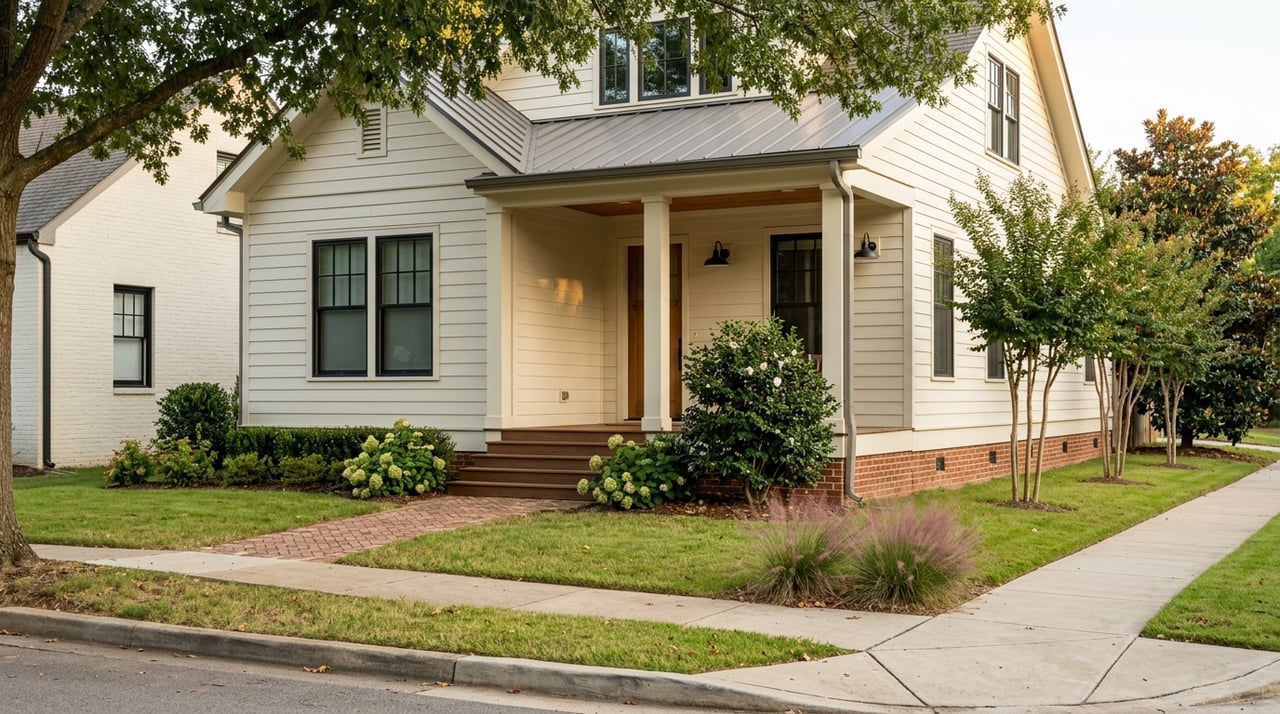
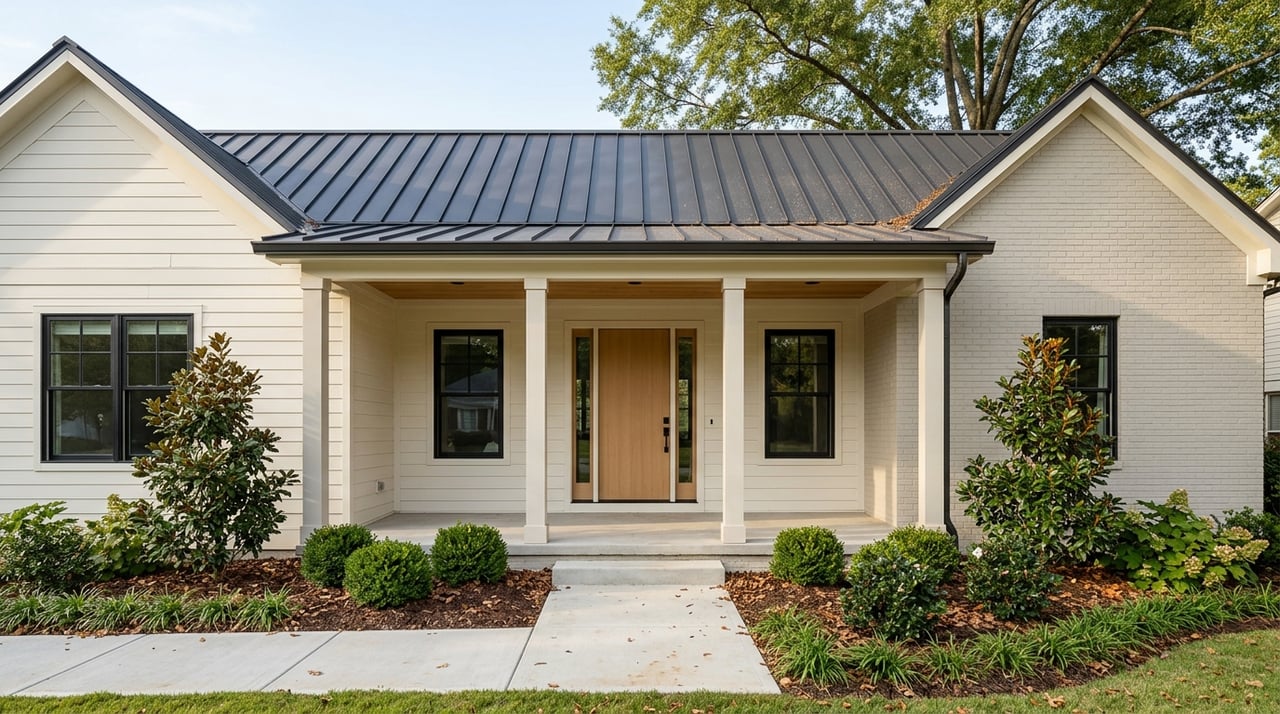
Start outside, where water and drainage issues often show up first. North Carolina inspection standards include items such as wall cladding, flashings, trim, doors, representative windows, decks, porches, railings, eaves, soffits, fascias, driveways, patios, walkways, retaining walls, and grading or drainage.
As you walk the home, look for visible workmanship concerns where materials meet. Pay close attention to:
- Gaps or rough transitions around trim and siding
- Flashing details at rooflines, windows, and doors
- Cracks in walkways or driveway sections
- Loose railings or uneven steps
- Areas where water may collect near the foundation
- Soil that appears to slope toward the house instead of away from it
If a site condition seems likely to trap water near the home, treat that as a serious follow-up item. North Carolina standards include grading and drainage as they affect the building, but inspectors are not required to evaluate soil or geological conditions.
Test plumbing and water basics
During a walkthrough, do more than glance at the fixtures. Turn things on and use them the way you would after move-in.
A North Carolina inspector reviews water supply and drain systems, hot-water systems, plumbing fixtures, attached exterior faucets, and visible piping. You can support that process by checking for:
- Weak water flow at sinks and showers
- Slow drains or standing water
- Leaks under sinks
- Loose faucets or fixture handles
- Hot-water response time
- The location of the main water shutoff
These are simple checks, but they can reveal installation issues before closing.
Test electrical and safety items
Electrical and safety checks are some of the fastest ways to spot workmanship problems in a new build. North Carolina standards include inspection of service conductors, service equipment, panel interiors, representative lights and receptacles, GFCIs, smoke detectors, and installed carbon-monoxide alarms.
During your walkthrough, make time to test:
- Light switches in every room
- Receptacles in visible, easy-to-reach spots
- GFCI outlets in kitchens, baths, garage, and exterior areas
- Smoke alarms
- Carbon-monoxide alarms where installed
- Garage door operation
If the home includes an EV charging setup or other higher-voltage features, ask direct questions about them. State inspection rules do not require inspectors to inspect 240V receptacles or outlets, so these features may need separate confirmation.
Review interior finish quality closely
This is where many buyers get distracted by style and miss workmanship. Since North Carolina inspectors are not required to report cosmetic damage, your walkthrough is the right time to study the details you will live with every day.
As a buyer, look closely at:
- Paint consistency and touch-up quality
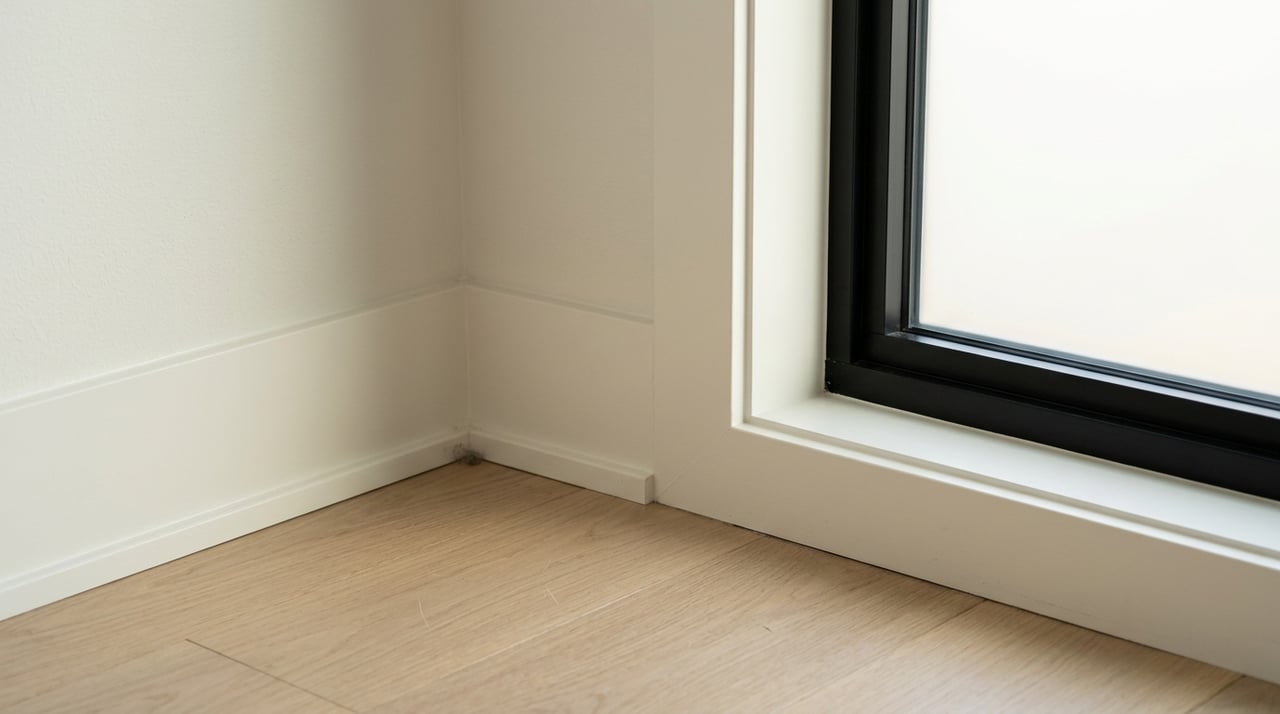
- Trim joints and caulking lines
- Cabinet alignment and drawer operation
- Door swing, latch fit, and hardware alignment
- Floor transitions between rooms
- Tile layout, grout lines, and chipped edges
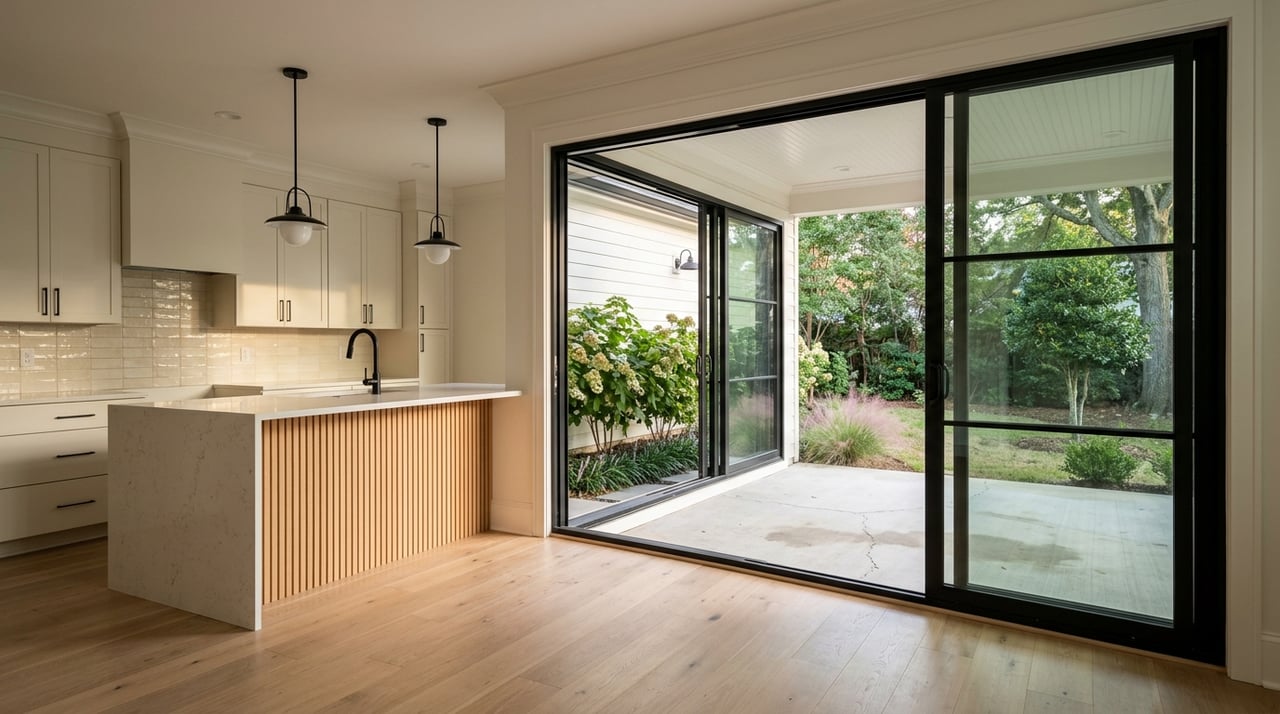
- Countertop seams and backsplash finishes
These are buyer observations, not code findings. Still, they can tell you a lot about builder consistency and attention to detail.
Ask about pre-drywall opportunities
If construction timing allows, a pre-drywall stage can be one of the most valuable points in the process. Holly Springs homeowner guidance notes that for projects such as attic or basement finishes, likely inspections can include framing, insulation, trade rough-ins, trade finals, and the building final.
That framework helps explain why buyers often want to see a home before drywall covers the structure and systems. At that point, it is easier to view framing, rough-in work, and the placement of key components.
If you are building from the ground up or buying early enough in the process, ask for:
- A scheduled pre-drywall walkthrough
- Progress photos before insulation and drywall
- Updates on framing and rough-in completion
- A separate pre-drywall inspection, if timing works
This step can give you better visibility into the home than a final walkthrough alone.
Verify permits for changes and add-ons
Not every upgrade is just a design choice. In Holly Springs, items such as new windows or skylights, roofing additions, plumbing changes, electrical changes, and mechanical or HVAC work may require permits and inspections.
The town also warns that unpermitted square footage added before sale can require permitting and inspection before closing. In some cases, finished work may even need to be removed so rough-in or framing can be inspected.
That is why permit verification should be part of your due diligence. Holly Springs offers a Permit Tracker that allows users to search by permit number or service address, with records submitted since September 2009.
For buyers, that means you should confirm that major changes, extra finished space, and specialty additions were properly documented. This is especially important if the builder, seller, or marketing materials describe features that go beyond the original base plan.
Which upgrades deserve more scrutiny
It is easy to spend your energy on countertops, lighting packages, or accent walls. Those choices matter, but some upgrade decisions have a bigger long-term effect on comfort, durability, moisture control, and safety.
In Holly Springs, permit-sensitive changes deserve special attention. Plumbing, electrical, HVAC, roofing, and new openings such as windows or skylights are examples of upgrades that can affect how the home performs, not just how it looks.
There is another reason to decide early. North Carolina inspectors are not required to determine energy ratings, insulation R-values, or system efficiency, so if you want to compare performance-related options intelligently, it is smart to do that before construction is complete.
A simple way to think about upgrades is to separate them into two groups:
Upgrades to evaluate early
- HVAC-related options
- Plumbing changes
- Electrical additions
- Window or skylight changes
- Roofing-related changes
- Features that affect moisture control or ventilation
Upgrades you can often revisit later
- Some light fixtures
- Paint colors
- Decorative hardware
- Certain backsplash or wall-finish details
- Some cosmetic shelving or trim additions
The goal is not to avoid upgrades. It is to know which choices are easier to change later and which are better handled during construction.
A practical buyer approach in Holly Springs
When you are comparing new construction in Holly Springs, try not to judge homes by the model alone. A beautifully staged model can make every builder look similar at first glance.
Instead, use a repeatable process. Compare site drainage, visible workmanship, permit history, system checks, and how clearly the builder answers questions about inspections and add-ons.
This is where experienced guidance can help. If you want a steady, informed second set of eyes as you compare builders, contracts, and construction quality, connect with Chad Ross for a personalized market consultation.
FAQs
Should Holly Springs buyers hire a private inspector for a new home?
- Yes. Town inspections and private inspections serve different purposes, and a third-party inspection adds a buyer-focused review of visible and accessible conditions.
What should Holly Springs buyers check during a final walkthrough?
- Focus on visible workmanship, plumbing operation, electrical and safety items, drainage concerns, door and window function, and finish details such as paint, trim, flooring, and cabinetry alignment.
How can Holly Springs buyers confirm permits for new construction changes?
- Use the Town of Holly Springs Permit Tracker to search by permit number or service address, and verify that major changes or add-ons were properly permitted.
Are town inspections in Holly Springs enough by themselves?
- Not always. Town inspections are part of the code and permitting process, while a private inspection gives you an additional condition review from the buyer’s side.
Which new-home upgrades should Holly Springs buyers prioritize early?
- Prioritize upgrades that affect plumbing, electrical, HVAC, roofing, windows, skylights, moisture control, ventilation, and other performance-related features that are harder to change after construction.
Do North Carolina home inspections cover cosmetic issues in new homes?
- Not necessarily. State rules do not require inspectors to report cosmetic damage, so buyers should review finish quality themselves during tours and walkthroughs.