Thinking about buying a few acres around Zebulon to build a home, start a hobby farm, or hold as an investment? The right piece of land can be a smart move, but small-acreage purchases have a few traps that houses in town do not. You want to know what you can build, how you will access the property, and what it will cost to add utilities before you close.
This guide breaks down the local basics in plain language. You will learn how jurisdiction affects your plan, why water and sewer are not always available, what to check on septic and wells, how driveway permits work, and which surveys and pros to hire. You will also get a simple checklist you can use during due diligence.
Let’s dive in.
Start with jurisdiction and zoning
Where the land sits controls the rules. Around Zebulon, parcels can be inside the Town, inside the Town’s ETJ, or in unincorporated Wake County. Each has different review steps and standards.
Town vs. County rules
If the property is inside Zebulon or its ETJ, you will work with Town staff and follow the Town’s Unified Development Ordinance. The safest first step is to contact the Town of Zebulon Planning Department to confirm jurisdiction, zoning, and any required pre-application meeting. If the land is outside Town limits, Wake County rules usually apply. Border properties may still need annexation or agreements if you want Town utilities.
Water allocation is real
Do not assume a water tap is available just because a line runs nearby. Zebulon uses a formal points and agreement process to control new connections. The Town’s water allocation policy ties allocation to annexation status, approved plans, and schedules. Allocation can expire if a project stalls. If your plan relies on Town water or sewer, verify allocation and capacity in writing before you buy.
Confirm access and driveways
Even a great site is not buildable if you cannot legally reach it. Look for clear, recorded access and understand which road agency controls your driveway.
Legal access in writing
Public road frontage is simplest. If access is by private easement, make sure it is recorded, wide enough, and clear on maintenance. Lenders and title insurers want a recorded, insurable easement. If the seller mentions a handshake agreement or an unrecorded path, treat it as a red flag.
Driveway permits on state roads
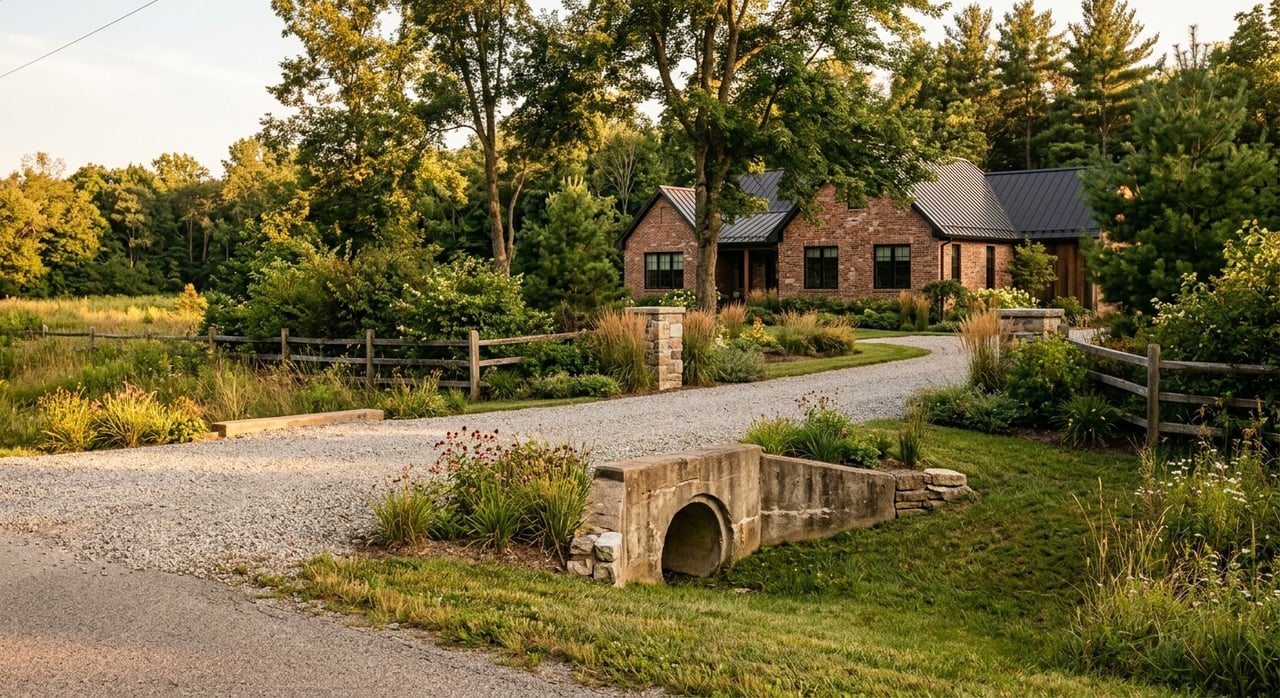
If your driveway will connect to a state road, you will likely need an NCDOT driveway permit. The requirements for spacing, sight distance, and drainage are set out in NCDOT’s Policy on Street and Driveway Access. Budget for culverts or grading the permit may require. For county or town streets, check with the appropriate staff on their process.
Plan utilities early
Utilities drive feasibility and cost. Around Zebulon, many small-acreage tracts rely on private septic and wells. Power and broadband can also vary by provider and distance.
Septic basics in Wake County
Wake County regulates onsite wastewater systems. Most sites need a soil and site evaluation before a permit is issued. Poor soils, shallow bedrock, or high water tables can push you to an engineered system, which adds cost and footprint. Review Wake County’s wastewater permit checklist and bring in a licensed soil scientist or septic designer early in due diligence.
Wells and drinking water
If there is no municipal water service, you may need a private well. Wake County requires permitting, construction standards, and testing for drinking water wells. If a well already exists, confirm it was permitted and tested to current rules before you rely on it. See the Wake County Well Regulations for contractor requirements and inspections.
Power and broadband
Electric service in eastern Wake County is provided by investor-owned utilities and cooperatives. Extension costs depend on which provider serves your parcel and the distance to the nearest line. Broadband availability can change quickly. Some parcels near town have cable or fiber. Rural sites may rely on fixed wireless or satellite. Verify service details with providers for the exact address early in your study period.
Check soils, flood, and wetlands
Site conditions can shrink your buildable area and affect insurance or permit timelines. Run desktop checks first, then hire specialists if anything looks uncertain.
Use the NRCS soil map
Start with the free NRCS Web Soil Survey to review soil types that influence septic suitability, drainage, and shrink-swell risk. This is a screening tool. It does not replace an on-site evaluation by a licensed soil scientist.
Review FEMA flood data
Floodplain status affects foundations, elevation requirements, and insurance. Check the Wake County Flood Insurance Study and local flood maps to see if any part of the parcel is in a floodway or special flood hazard area. Expect additional review and documentation if you plan to build near mapped flood zones.
Screen for wetlands
Mapped wetlands can restrict grading and delay permits. Use the National Wetlands Inventory as an early screen. If it suggests wetlands, plan for a site delineation by a qualified wetland specialist and expect federal or state permits if you propose impacts.
Survey, title, and the right pros
Good paperwork prevents expensive surprises. Get the right survey, review title carefully, and bring in licensed professionals who know Wake County.
Order the correct survey
At minimum, order a current boundary survey by a North Carolina-licensed Professional Land Surveyor. For lender-insured or higher value parcels, consider an ALTA survey. The ALTA/NSPS Land Title Survey standards outline Table A items you may want, like easement locations and visible improvements. To confirm your surveyor’s licensure, reference the North Carolina Board of Examiners for Engineers and Surveyors.
Build your consultant bench
- Real estate attorney to review title exceptions and easements.
- Licensed land surveyor for boundary or ALTA work.
- Licensed soil scientist or septic designer to confirm system type and size, guided by Wake County’s wastewater checklist.
- Licensed well contractor familiar with the Wake County Well Regulations.
- Civil or site engineer to help with driveway design, grading, stormwater, and any NCDOT driveway access coordination.
A simple step-by-step checklist
Use this sequence to keep your due diligence on track:
- Verify jurisdiction with the Town of Zebulon Planning Department. Confirm whether the parcel is inside Town, ETJ, or County.
- Confirm zoning, allowable uses, and whether annexation would be needed for utilities.
- Order a title commitment and review easements, covenants, and liens with your attorney.
- Order a current boundary survey. If lender or title insurance requires it, upgrade to an ALTA survey and specify needed Table A items.
- Run the NRCS Web Soil Survey and screen flood data using the Wake County Flood Insurance Study. If red flags appear, hire specialists.
- Confirm septic feasibility with a licensed soil scientist or designer using Wake County’s wastewater checklist. Get county approval or a written opinion if possible.
- Confirm well feasibility, permit steps, and testing requirements under the Wake County Well Regulations. Ask for any existing well records.
- Verify legal access. If access is by easement, ensure it is recorded and insurable. Confirm whether a NCDOT driveway permit is required and budget for culverts or sight-distance work.
- If you need Town utilities, confirm allocation and capacity using the Zebulon water allocation policy. Get status in writing.
- If you plan to subdivide later, discuss the minor versus major route with Town or County staff and what improvements or dedications could be required.
Common pitfalls to avoid
- Assuming utilities are available. Allocation and annexation can limit timing and access to Town water or sewer. Always verify under the water allocation policy.
- Relying on unrecorded access. Lenders and title companies want a recorded easement. Get legal access in writing before closing.
- Underestimating septic constraints. Marginal soils can require engineered or mound systems that add cost and space. Use the county checklist and get a site evaluation early.
- Ignoring flood or wetlands. Floodways and mapped wetlands can restrict build areas and add months to permitting. Screen with the FIS and plan for field work if needed.
- Skipping the right survey. A current boundary or ALTA survey helps you locate easements, setbacks, and buildable area and reduces disputes later.
Ready to walk land around Zebulon?
A small acreage purchase rewards careful due diligence. Start with jurisdiction, confirm legal access, screen soils and flood data, and plan utilities before you commit. When you line up the right surveyor, soil scientist, and engineer, you will know where the buildable area sits and what it will cost to bring your plan to life.
If you want a local, hands-on partner who understands land, construction, and builder dynamics, reach out. Call or text Chad Ross for a personalized consultation and a practical plan to secure the right acreage at the right terms.
FAQs
What does ETJ mean for Zebulon land buyers?
- ETJ stands for extra-territorial jurisdiction. If a parcel is in Zebulon’s ETJ, Town development rules and reviews may apply even if the land is outside town limits, so confirm status with Town Planning.
Do I need a septic permit before closing on acreage?
- You do not have to have a final permit to close, but you should secure county pre-approval or a written feasibility opinion using Wake County’s wastewater checklist to avoid surprises.
When is an NCDOT driveway permit required?
- If your new driveway connects to a state-maintained road, NCDOT typically requires a driveway permit that addresses sight distance, spacing, and drainage before construction.
How do I confirm legal access to a land parcel?
- Review the deed and recorded plats for public road frontage or a recorded easement. Your attorney and surveyor can verify that access is recorded, insurable, and adequate for your intended use.
What survey should I order for a 5-acre purchase?
- At minimum, get a current boundary survey by a NC-licensed surveyor. For lender-insured or complex sites, consider an ALTA survey with selected Table A items to locate easements and visible improvements.
Can I count the whole acreage as buildable?
- Not always. Setbacks, septic fields, streams, flood areas, and slopes can reduce the usable area. Use soils and flood screens, then have a surveyor or site planner sketch a buildable area before you finalize plans.