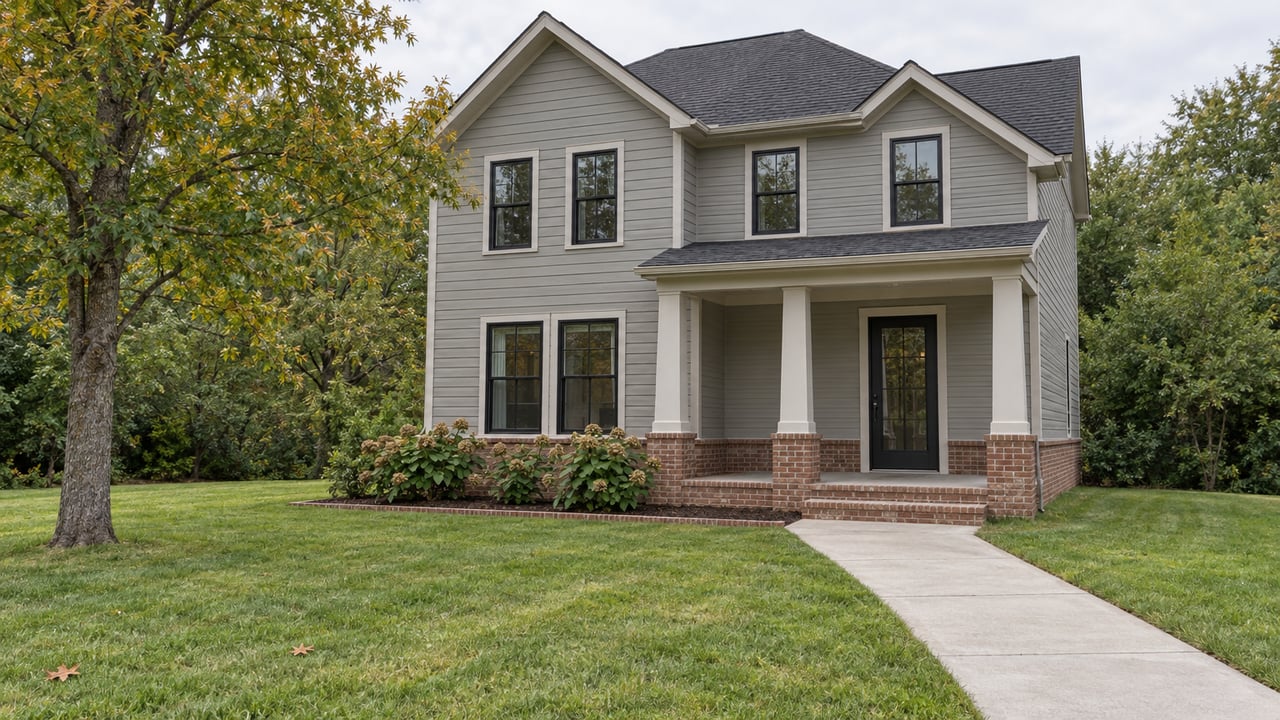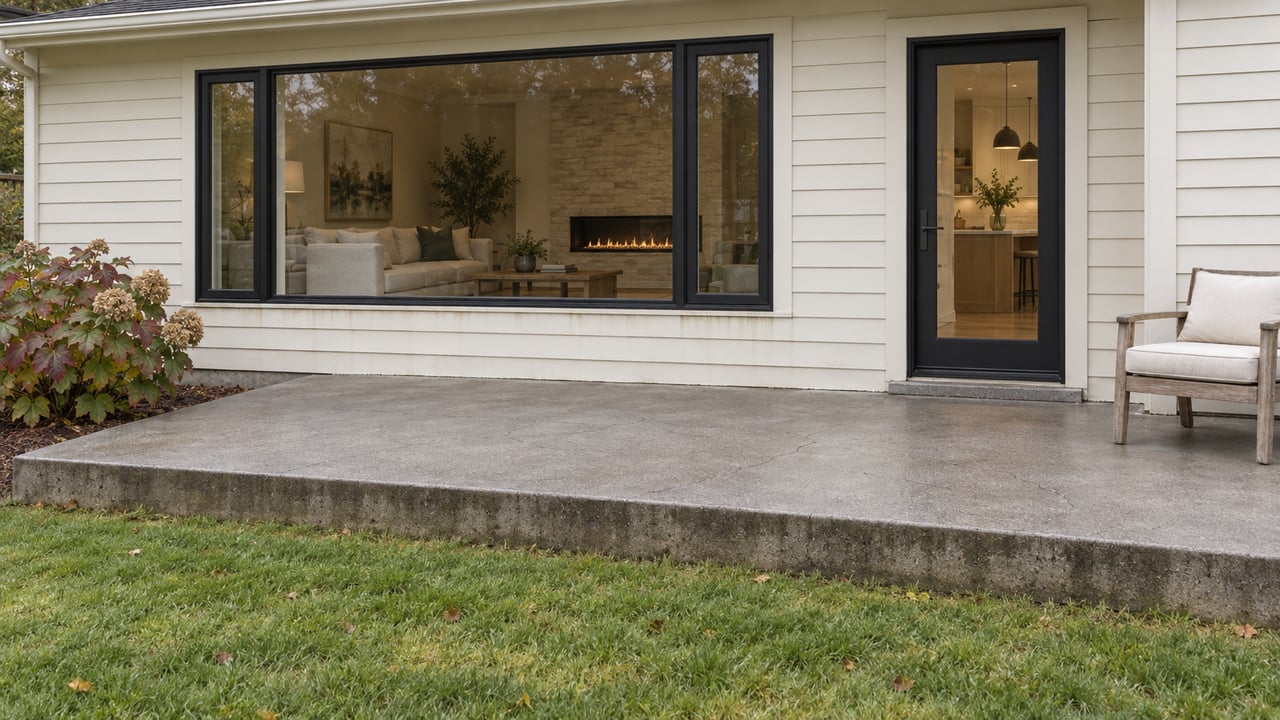
Have you outgrown your current home but feel stuck by timing, rates, or lack of options in North Raleigh? You are not alone. Many established homeowners are weighing whether to renovate or trade up while trying to avoid two mortgages and minimize stress. This guide gives you a clear, step-by-step move-up strategy tailored to North Raleigh so you can plan with confidence and keep your options open. Let’s dive in.
North Raleigh market context
North Raleigh covers communities north of I-440 and downtown, stretching toward Falls Lake with popular corridors like North Hills, Wakefield, and Leesville. Demand in these areas has been strong in recent years due to job growth across tech, life sciences, and higher education. Inventory can be tight in specific price bands, and new infill or nearby new construction can shape buyer expectations for finishes and floor plans.
Interest rates have been volatile since 2022, which affects affordability for anyone moving up. Entry-level homes often move faster than mid and upper-mid inventory, so marketing time and negotiation can vary by tier. These dynamics matter when you plan your sequence, pricing, and whether to renovate first or move.
Renovate or trade up: a decision framework
A smart move-up decision balances financial facts with your lifestyle goals. Use this simple framework to organize your plan and keep emotions in check.
Step 1: Estimate value and net proceeds
Get a comparative market analysis focused on your immediate submarket. Include mortgage payoff, likely closing costs, and a net sheet. Your equity is the fuel for your next down payment and reserves.
Step 2: Price out renovations and timelines
Obtain written bids for any meaningful upgrades you are considering, including timelines and permit requirements. The City of Raleigh outlines permitting steps on its development services site. Review the process on the City of Raleigh page for permits to gauge feasibility and timing: Raleigh Development Services permits.
Step 3: Compare scenarios side by side
Model two paths:
- Sell as-is and buy the next home.
- Renovate, then sell later or keep the home.
Include carrying costs, potential disruption, and a sensitivity check for price movements and rate changes. If you plan to finance the next purchase, review how a rate change could affect payments. The Consumer Financial Protection Bureau explains how rate locks work and what to consider: CFPB overview of mortgage rate locks.
Step 4: Weigh non-financial factors
Some needs cannot be solved by renovation, such as lot size, commute pattern, or a different neighborhood setting. Balance urgency, renovation disruption, and your desired location against the cost of moving.
When renovating makes sense
- Upgrades are targeted, cost effective, and improve daily enjoyment.
- Systems are aging and could deter buyers if left unaddressed.
- You like your current location and can live through the project timeline.
When trading up makes sense
- You need fundamentally different attributes like more bedrooms, larger lot, or a different neighborhood.
- Renovation costs approach the price gap between your current home and a suitable replacement.
Choose your sequence and financing
Coordinating a sale and purchase comes down to risk tolerance, cash flow, and the type of home you are targeting.
Sell first
- Pros: You know exact proceeds, avoid double carrying, and strengthen your buying position with cash in hand.
- Cons: You may need temporary housing or a negotiated rent-back from your buyer.
Buy first
- Pros: You secure the right home on your timeline, which helps if your search is narrow or you are eyeing specific new construction releases.
- Cons: You may carry two mortgages temporarily and need strong financing, such as a bridge solution.
Make a contingent offer
- Pros: Reduces your immediate carrying risk by tying your purchase to your current home’s sale.
- Cons: In sought-after pockets of North Raleigh, sellers may be less likely to accept a sale contingency.
Financing tools to coordinate timing
- Bridge loan or temporary second mortgage: Short-term financing that taps your existing equity so you can buy first. Expect higher rates and fees compared with a traditional mortgage.
- HELOC or home equity loan: Can fund a down payment before your sale closes. The CFPB explains HELOC features and risks: CFPB guide to HELOCs.
- Rent-back occupancy: If you sell first, negotiate a short post-closing occupancy window to avoid a costly gap between homes.
- Rate strategies: Work with your lender on pre-approval, and once under contract on your new home, discuss rate-lock options if markets are moving quickly. You can explore mortgage-shopping basics here: CFPB Owning a Home.
Prep and pricing for a successful sale
In North Raleigh’s move-up market, focused preparation and precise pricing drive results. Aim for a tight, two to three week pre-list timeline wherever possible.
High-impact, cost-effective updates
- Cosmetic refresh: Neutral interior paint, updated lighting, deep cleaning, and light staging can improve perceived value.
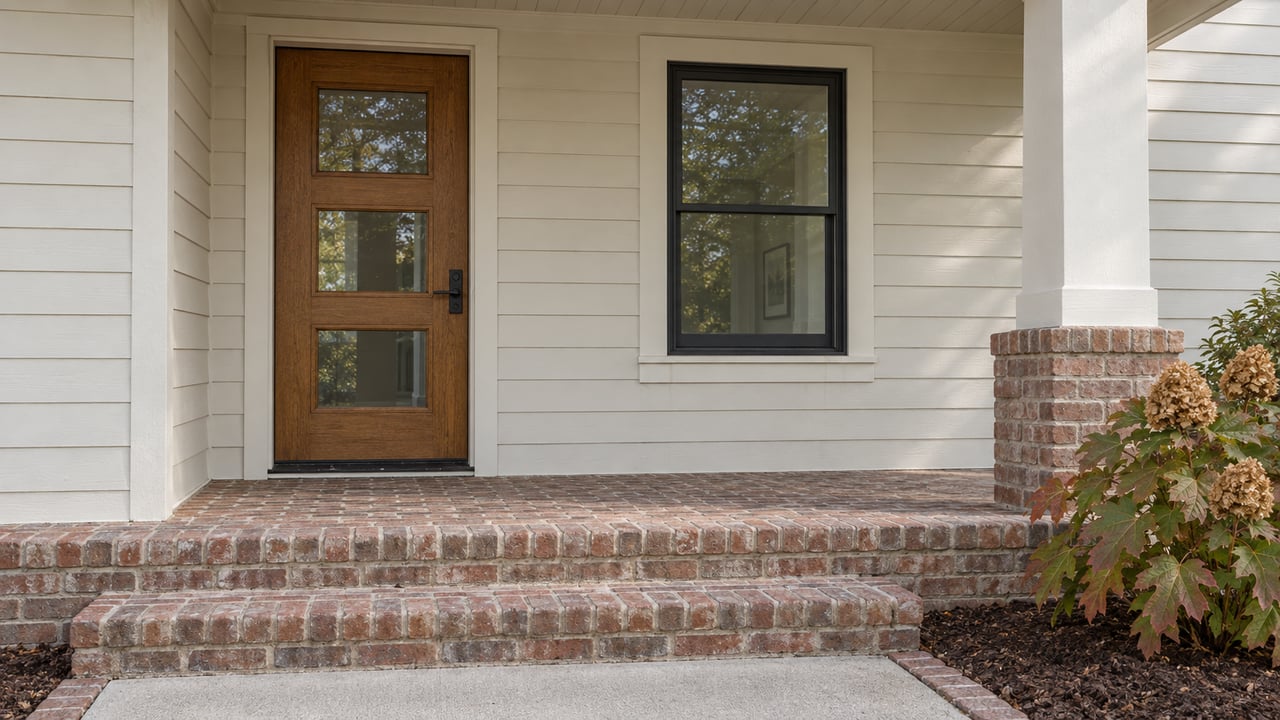
- Curb appeal: Fresh mulch, trimmed landscaping, power-washed hardscapes, and a clean front entry.
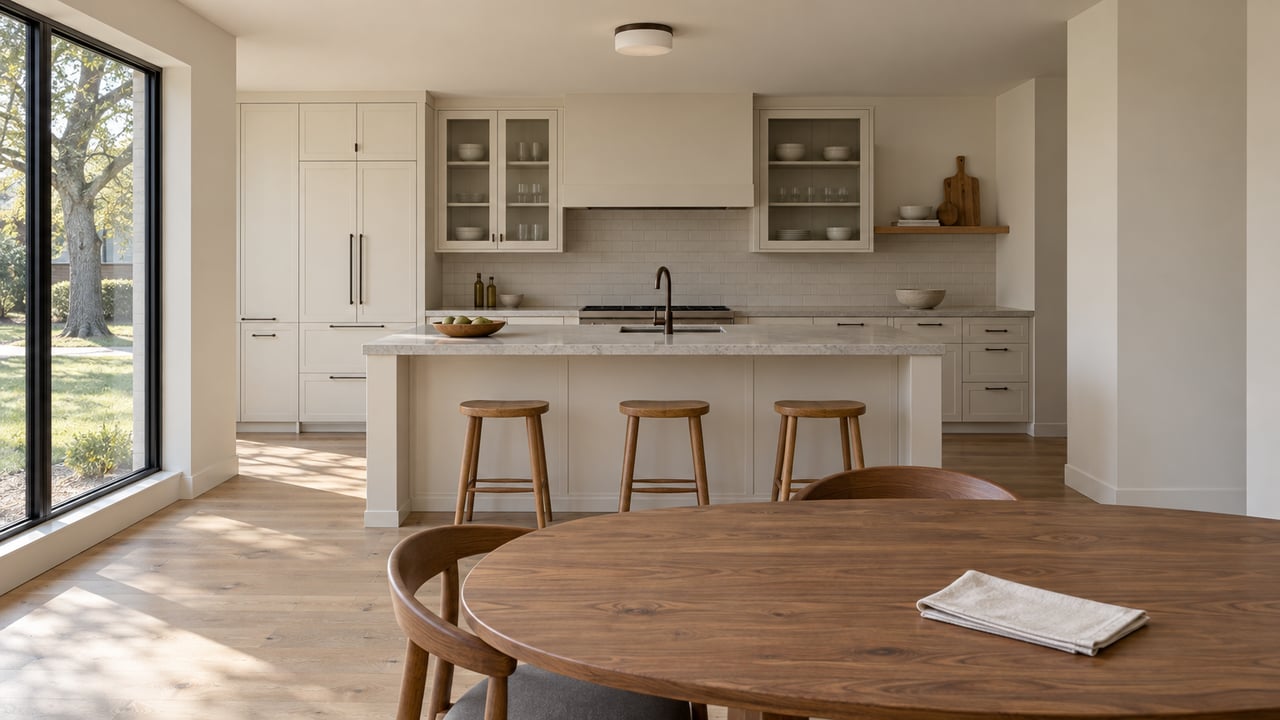
- Kitchen and baths: Targeted hardware, faucet, and lighting updates if full remodels are not feasible.
- Systems and structure: Service HVAC, ensure the roof and water heater are in good order, and disclose known conditions clearly.
Staging, photos, and first impressions
Professional photography and thoughtful staging help your home rise above competing listings, especially online. If you have outdoor living or flexible work spaces, present them clearly so buyers understand how the home lives.
Pre-inspection and disclosures
A pre-listing inspection can surface potential deal killers and help you price or repair proactively. North Carolina has specific disclosure requirements, which you can review via the North Carolina Real Estate Commission: NCREC seller and buyer information. Work with your agent and a local closing attorney to ensure required forms are complete and accurate.
Pricing strategy
Anchor your price to recent comparable sales and active competition within your immediate neighborhood context, including lot size, age, and finished area. If demand is strong in your tier, a slightly aggressive list price can invite multiple offers. If similar move-up homes are plentiful, price to the market and highlight condition, updates, and flexibility on timing.
Manage risk and protect your plan
Move-up sellers face several common risks: rate movement, shifting inventory, timing gaps, inspections, and appraisal issues. You can reduce these risks with planning and a buffer.
- Financial buffer: Build reserves for carrying costs, rent-back fees, moving, and unexpected repairs.
- Lender strategy: Discuss rate-locks and potential float-down options. If your purchase price is near a threshold, ask your lender about appraisal expectations early.
- Contract terms: Use contingencies carefully. Appraisal and inspection protections matter, but they can weaken an offer in competitive micro-markets.
- Operational plans: Line up short-term housing and movers ahead of listing. In North Carolina, closings typically involve attorneys; learn what to expect via the North Carolina Bar Association: NC Bar real property resources.
- Permitting and taxes: If you plan pre-sale renovations that need permits, factor the City’s timelines. For property tax proration and billing cycles, review Wake County’s tax administration guidance: Wake County Tax Administration.
A quick North Raleigh scenario
Consider an owner in the Leesville area who needs a larger lot and a fourth bedroom. Renovating would require an addition with uncertain permitting and timeline. After a CMA and contractor bids, the family pursues buy-first using a HELOC for the down payment, then lists their current home with light cosmetic updates and staging.
They secure the replacement home, lock their rate once under contract, and negotiate a two-week rent-back to line up movers and closing dates. The result is a clean transition with no long-term double-carry and an upgrade that renovation could not achieve.
Your move-up checklist
- Obtain a current CMA and a net proceeds estimate for your home.
- Get lender pre-approval in your target price band and discuss rate-lock and bridge options.
- Collect contractor bids and permit timelines for any contemplated renovations.
- Decide renovate vs trade up using side-by-side scenarios and sensitivity checks.
- Schedule pre-listing inspection if you suspect material issues.
- Plan staging, professional photography, and an optimal list date.
- Prepare documents: title info, mortgage payoff, HOA docs, and required NC disclosures.
- Build contingency plans: short-term housing, rent-back terms, and cash reserves.
When you want hands-on guidance from a broker who blends construction literacy with decades of North Raleigh experience, you will feel the difference. From pricing and prep to negotiating your sequence and lining up the right lender, you get a practical plan tailored to your goals. If your property warrants premium exposure, the Sotheby’s network can amplify marketing without losing personal accountability.
Ready to map your move-up strategy with a step-by-step plan and clear timelines? Call or text Chad Ross for a personalized market consultation.
FAQs
How much equity do I need for a North Raleigh move-up?
- Enough to cover your next down payment, closing costs, moving expenses, and a reserve for higher monthly payments or short-term double-carry if needed.
Is it smarter to renovate first or sell and buy up?
- Compare net outcomes for both paths using contractor bids, a current CMA, and sensitivity checks for price and rate changes; choose the path that aligns with your lifestyle timeline and risk tolerance.
What financing helps me buy before I sell in Raleigh?
- Common tools include bridge financing and HELOCs for interim funds; discuss structure, costs, and documentation with your lender early in the process.
How can I avoid paying two mortgages at once?
- Sell first, negotiate a rent-back, or use contingencies where viable; if you buy first, have reserves and a clear timeline to list and close on your current home promptly.
What pre-list updates matter most to North Raleigh buyers?
- Neutral paint, lighting refresh, curb appeal improvements, light kitchen and bath updates, and servicing major systems like HVAC to reduce buyer hesitation.