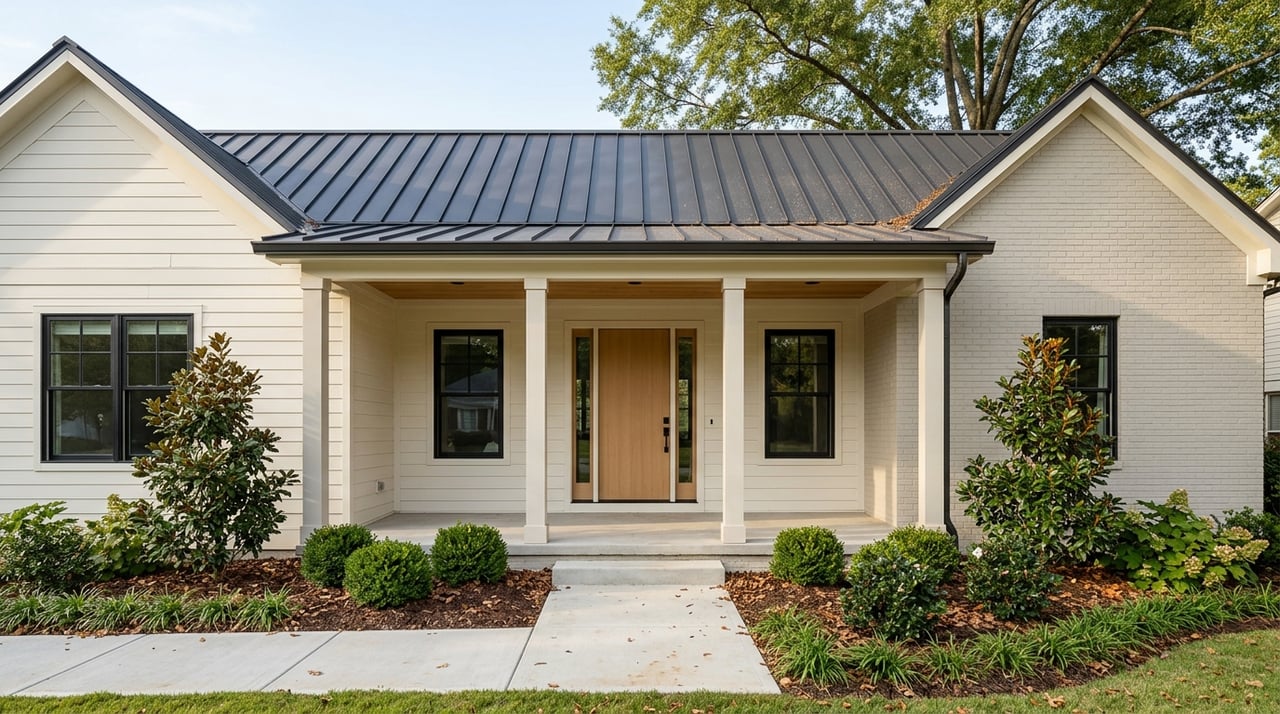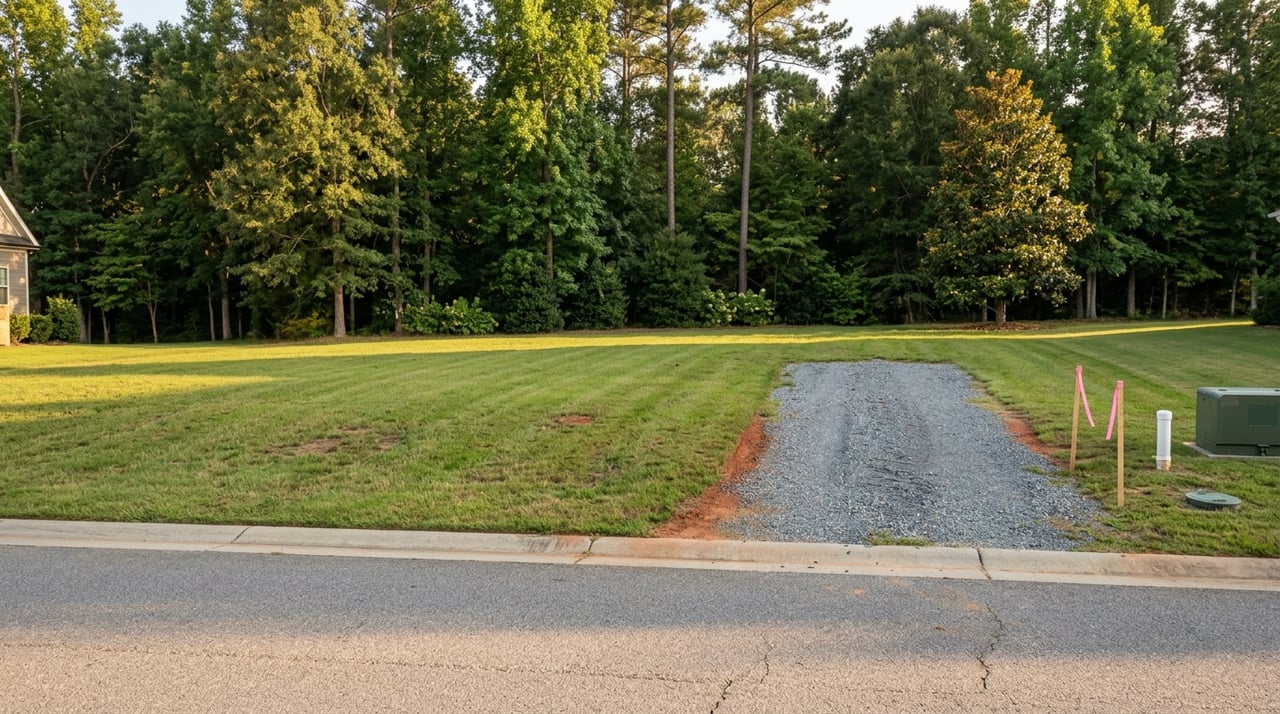
Buying land in Zebulon can look simple on paper, but a parcel’s real potential often comes down to two things: what the rules allow and what the site can support. If you are comparing lots for a custom home, future development, or a longer-term investment, it helps to know that zoning, utility access, and site constraints all work together. A little upfront homework can save you time, money, and frustration later. Let’s dive in.
Why zoning matters in Zebulon
In Zebulon, the Unified Development Ordinance, or UDO, is the main set of rules that controls how land may be used and how development must be set up. The official zoning map is part of that framework, and every parcel within the town limits and extraterritorial jurisdiction, or ETJ, has a zoning designation. That current zoning is what determines what is allowed today.
Zebulon also has a Comprehensive Land Use Plan adopted in 2021 that guides development and redevelopment through about 2040-41. The Town uses that plan and the Transportation Plan as guidance documents, not as regulations. In plain terms, the future land use map can show where the Town expects certain types of growth, but it does not override the parcel’s current zoning.
Current zoning vs future land use
This is one of the biggest points land buyers miss. A parcel may sit in an area shown for residential mix, commercial, or another future growth category, but that does not mean you can build that use right away. Current zoning controls the present-day use of the property.
The future land use category is still important because it can signal the Town’s long-term direction. That can matter if you are evaluating whether a rezoning or conditional rezoning may be realistic down the road. Still, buyers should treat the future land use map as a planning guide, not a shortcut around the current rules.
Common zoning districts buyers may see
Zebulon’s zoning districts include residential, commercial, mixed-use, and industrial categories, along with conditional versions of many districts. Some of the districts buyers are likely to encounter include:
- R1 Residential Watershed
- R2 Residential Suburban
- R4 Residential Neighborhood
- R6 Residential Urban
- RMF Residential Multi-Family
- NC Neighborhood Commercial
- GC General Commercial
- HC Heavy Commercial
- LI Light Industrial
- CI Industrial Campus
- HI Heavy Industrial
- OI Office and Institutional
- DTP Downtown Periphery
- DTC Downtown Core
- PD Planned Development
These labels are not just technical details. They shape what uses may be allowed, how a site may be laid out, and what level of intensity fits the property under today’s rules.
Why district labels change the deal
A Downtown Core parcel and a Light Industrial parcel can have very different development paths. Zebulon’s ordinance describes the Downtown Core as the cultural and commercial heart of the town. By contrast, the Light Industrial district is intended for activities like assembly, fabrication, processing, distribution, storage, and wholesale uses, while excluding heavier industrial impacts near lower-intensity areas.
That is why the exact zoning label matters so much during due diligence. Two properties with similar size and location can have very different options based on district standards and approval requirements.
Utilities can shape what is feasible
For many land buyers, utility access is just as important as zoning. Raleigh Water maintains the water distribution and sewer collection systems in Zebulon and treats Zebulon as part of the merger-community utility system. If you are exploring a parcel, utility availability is a core question because it can influence both cost and what type of development is practical.
Raleigh Water notes that utility availability can be checked through its process, and the connection rules matter. Water-only connections may be allowed, sewer-only connections are generally prohibited except for certain public-health cases involving failing septic, and if both utilities are available, the requestor must connect to both. If a property is outside the applicable ETJ, connection cannot be made without annexation.
Public utilities vs private systems
In general, public water and sewer often expand a parcel’s development options. Private well and septic properties usually involve more site-specific review of soils, setbacks, utility placement, and health-department approvals. That does not make a parcel with private systems a bad purchase, but it does mean you should expect more investigation before you can feel confident about the site’s potential.
Private wells are handled by county health departments, and newly constructed private wells must be tested before being used as a drinking-water source. Septic system permitting is also handled through the local health department, and Zebulon’s code states that onsite wastewater disposal systems are operated and maintained under Wake County regulations enforced by Wake County. For buyers, that means well and septic questions are not just side issues. They are central to whether the land works for your plans.
Easements and access deserve close review
Even if zoning looks right and utilities appear nearby, a parcel can still have limits that affect where and how you can build. Recorded easements, access restrictions, and utility corridors can all shape your usable building area. These issues can affect a future building pad, driveway layout, or utility run.
This is especially important with water and sewer infrastructure. Raleigh Water notes that privately owned water distribution and sewer collection mains exist within the service area, and those systems may remain the owner’s responsibility unless transferred. Raleigh Water also states that structures or permanent equipment generally may not be placed within a water or sewer easement without written approval.
A practical due diligence path
Zebulon gives buyers several useful tools through its planning resources, including the official zoning map, interactive development map, Wake County iMaps, and GeoCivix plan review. The Town also notes that the interactive development map shows proposed developments and pending projects. These tools can help you move from guesswork to a more informed evaluation.
A practical review process for a Zebulon land buyer often looks like this:
- Confirm the parcel’s current zoning on the official zoning map.
- Compare that zoning with the future land use category in the Comprehensive Land Use Plan.
- Check whether the property is inside the ETJ if utility service is part of your plan.
- Ask about Raleigh Water availability and whether connection is possible under current rules.
- Review recorded easements, access, and restrictions that may affect layout or utility placement.
- Speak with the appropriate offices about what approvals may be needed for your intended use.
This is not a formal checklist published by one agency. It is a practical sequence based on how Zebulon planning, Raleigh Water, and Wake County responsibilities fit together.
Who handles what in the process
One reason land purchases can feel confusing is that more than one public agency may be involved. In Zebulon, planning staff review development for consistency with short-term and long-range plans, and zoning inspections are performed by town inspectors. Wake County handles many building permits and inspections after the needed approvals are in place.
That means buyers often need answers from more than one source before moving forward with confidence. Depending on the parcel, the most useful contacts may include Town of Zebulon planning staff, Raleigh Water, Wake County environmental health staff for well and septic questions, and your own surveyor, civil engineer, and title attorney. Each one helps clarify a different piece of the property’s real-world potential.
What this means for buyers in Zebulon
If you are buying land in Zebulon, it helps to think beyond the listing description. A parcel’s value is tied not just to acreage or location, but to whether the zoning supports your goal, whether utilities are available, and whether easements or access issues reduce what you can actually do with the site. The best land deals are the ones that still make sense after the details are checked.
This is where an experienced local broker can add real value. Chad Ross brings decades of Triangle market experience and a strong understanding of land, custom-build planning, and the practical issues that can affect a site before you commit. If you want help evaluating a parcel in Zebulon, call or text Chad Ross for a personalized market consultation.
FAQs
What does current zoning mean for a Zebulon land buyer?
- Current zoning determines what uses are allowed on the parcel today under Zebulon’s Unified Development Ordinance.
What does the Zebulon future land use map tell you?
- The future land use map shows the Town’s long-range guidance for growth patterns, but it does not change the parcel’s current zoning on its own.
How do utilities affect land purchases in Zebulon?
- Water and sewer availability through Raleigh Water can influence what type of development is feasible, while private well and septic parcels usually require more site-specific review.
What is the ETJ in Zebulon land planning?
- The ETJ is the extraterritorial jurisdiction where Zebulon applies zoning and development rules outside the town limits, and it can matter for utility connection questions.
Who handles well and septic questions for Zebulon land?
- Wake County environmental health staff handle local well and septic permitting questions, with oversight and guidance provided at the state level.
Why should Zebulon land buyers review easements?
- Easements and access restrictions can limit where you place a home, driveway, or utility lines, even if the parcel seems usable at first glance.